Teacher exchange programs: in-person and virtual options for K-12 teachers
A teacher exchange program lets teachers learn from schools in another country, either by travelling there or by working with a partner teacher online. In-person programs such as Fulbright and Erasmus+ have eligibility rules and deadlines. A virtual exchange can start in any term.
Compare the optionsLast updated
Many teachers want to see how school works in another country and bring that experience back to their students. A teacher exchange program makes that possible. This guide explains the main types, gives examples of well-known programs and shows how to start a virtual exchange with a partner teacher this term.
What is a teacher exchange program?
A teacher exchange program is a structured way for teachers to learn from schools in another country. Some programs send teachers abroad to observe lessons, teach or take a course. Others connect teachers online, so that their classes can work together without anyone travelling.
An international teacher exchange helps teachers try new methods, understand another education system and bring real international examples into their own lessons.
In-person and virtual teacher exchanges compared
Swipe horizontally to see all columns
| Question | In-person exchange | Virtual exchange |
|---|---|---|
| What happens | You visit schools abroad to observe, teach or take a course | You work online with a partner teacher, and often your classes run a project together |
| How long | From a few days to a few weeks abroad, sometimes as part of a longer program | From a few weeks to a whole school year |
| Cost | Often covered by the program, but places are limited | Usually free or low cost |
| Who can apply | Set by each program, for example nationality, years of teaching and type of school | Open to many teachers, depending on the platform's rules |
| How students take part | Through what you bring back to your class | Directly, through shared class projects |
Many teachers combine both. They start with a virtual exchange and later apply for an in-person program, or they keep working online with colleagues they met abroad.
Examples of teacher exchange programs
Fulbright Teachers for Global Classrooms is a yearlong professional learning program for U.S. K-12 teachers, funded by the U.S. Department of State and administered by IREX. It combines an online global education course, a symposium in Washington, D.C., and an international field experience of two to three weeks. Applications typically open in December and close in February.
Erasmus+ supports training periods abroad for school staff, such as courses, training and job shadowing, between organisations in Erasmus+ Programme countries. Teachers cannot apply as individuals: their school applies and then selects the staff who take part.
eTwinning is a free online community where teachers and school staff in eTwinning countries find partners and run projects with schools across Europe.
Rules and dates change from year to year, so always check the official program page before you apply.
How to choose the right exchange
- Start with your goal: a new teaching method, a language, a subject or a partner class for your students.
- Check eligibility early: nationality, years of teaching and type of school often matter.
- Count the time needed, including weeks away from your class and the work before and after a trip.
- Talk to your school leader early, especially if the school has to apply.
- Plan how your students will benefit, before and after the exchange.
Start a virtual teacher exchange with your class
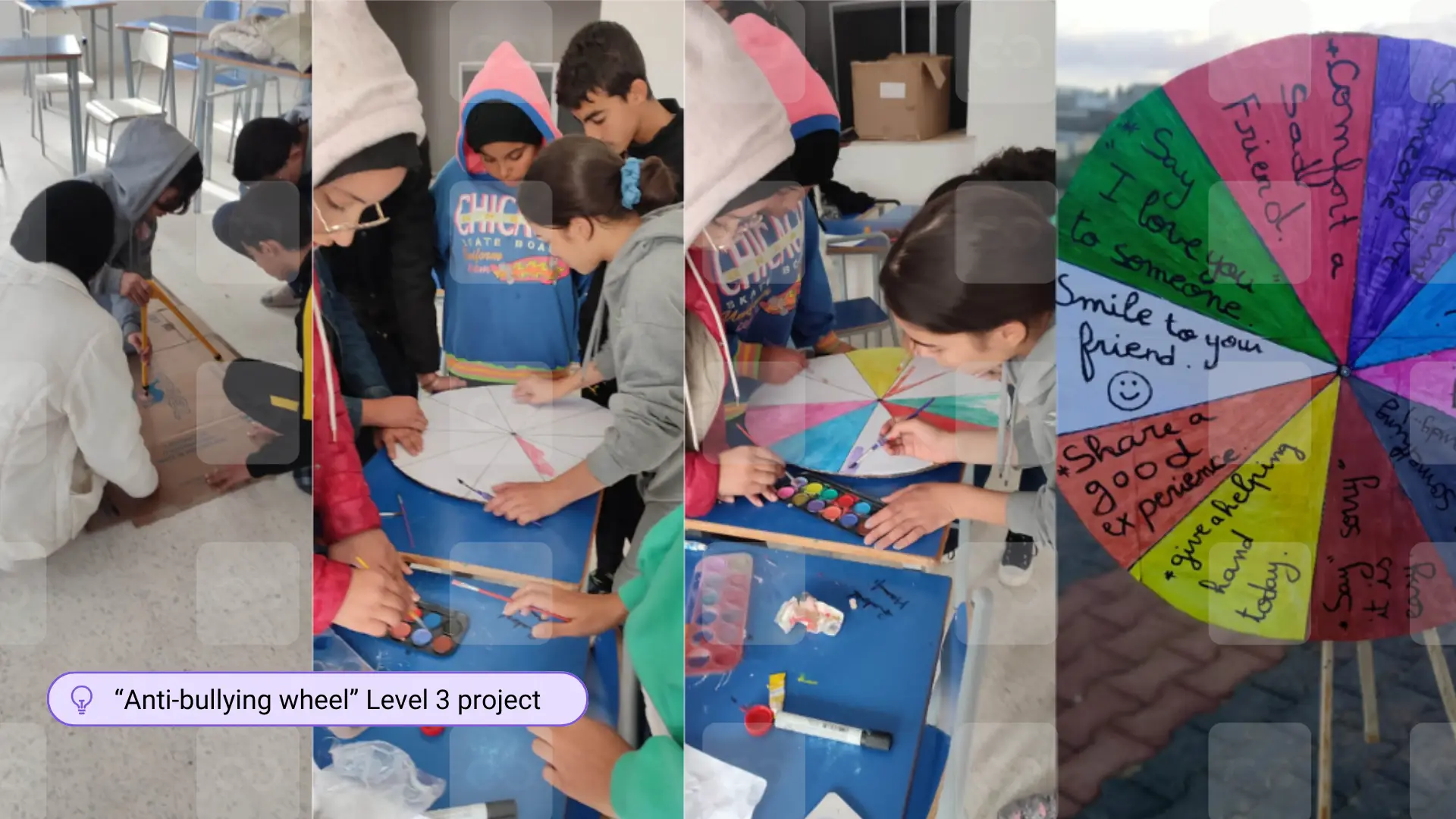
You do not need to wait for an application window to work with a teacher abroad. On Class2Class, teachers find a partner class by subject, students' age, language and interests, choose a ready-made project and work together on a shared project board, live or at different times. Class2Class is free for teachers and students.
- Create your teacher profile with your subject, students' age and interests.
- Find a partner teacher and agree on a topic, a timeline and a shared language.
- Choose a ready-made project and adapt it together.
- Run the project with both classes and share what your students learn.
To find a colleague, see how to find a partner classroom in another country.
Projects to run with a partner teacher
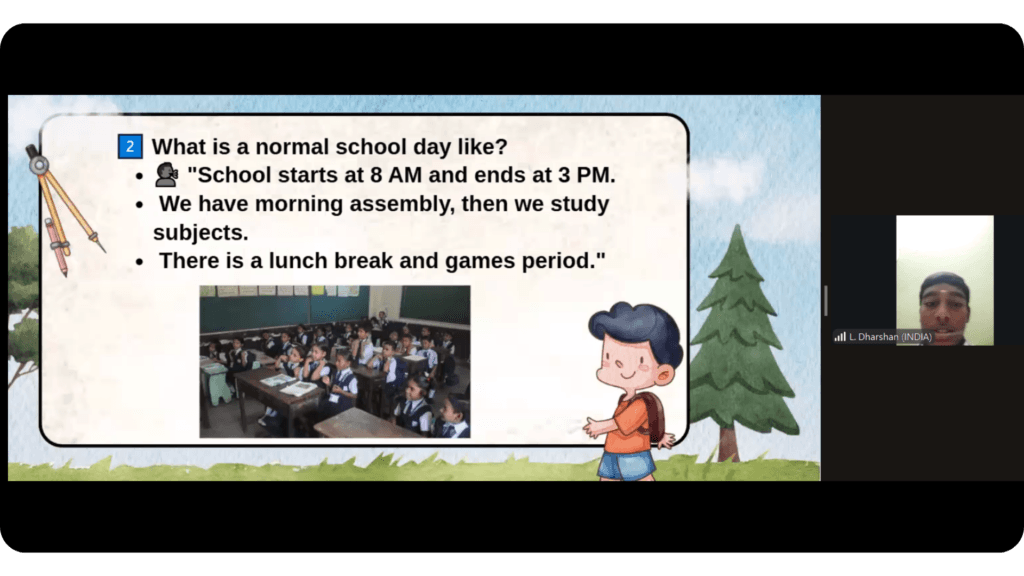 Project ideaMy School, Your School
- Age groups
- 6–8, 9–12, 13–15
- Duration
- 4 weeks
- Language
- English
 Project ideaCelebrating Cultural Diversity: A Journey of Discovery
- Age groups
- 13-15, 16-18, 18+
- Duration
- 4 weeks
- Language
- English
 Project ideaYouth-Led Solutions for a Better World
- Age groups
- 13–15, 16–18, 18+
- Duration
- 4 weeks
- Language
- English
Looking for an exchange for your students?
If your goal is an exchange for your students rather than for yourself, read what cultural exchange means for a class and how a virtual exchange for K-12 works.
Frequently asked questions
Can teachers do an exchange program abroad?
Yes. Programs such as Fulbright Teachers for Global Classrooms for U.S. teachers and Erasmus+ for school staff in Erasmus+ Programme countries support time abroad. Each one has its own eligibility rules and dates.
What is a virtual teacher exchange?
It is an exchange where teachers in different countries work together online, often with their classes running a shared project. Nobody travels, so it can start in any term.
How do teachers apply for Erasmus+?
Not as individuals. The school applies for Erasmus+ funding and then selects the staff who take part in training periods abroad.
Is Class2Class free?
Yes. Class2Class is free for teachers and students.
Bring an exchange into your classroom
Choose the exchange that fits your goals and your timetable. If you want your students to take part straight away, start with a partner class online.