Cultural exchange: what it means, examples and how classes take part
Cultural exchange is the sharing of ideas, traditions, languages and ways of life between people from different cultures, so that each side learns from the other. In schools, it can be an exchange trip, a virtual exchange with a partner class or a shared project between classes in different countries.
See the types of cultural exchangeLast updated
Cultural exchange is one of the oldest ways people learn about the world, and any class can take part in it. This guide explains what cultural exchange means, the main types and some real examples. Then it shows how your class can take part with a class in another country, without anyone travelling.
What is cultural exchange?
Cultural exchange is the sharing of ideas, traditions, languages and ways of life between people from different cultures. The key word is exchange: it goes both ways. Each side shares something of its own and learns something from the other, with respect.
It is different from learning about another culture from a textbook. When students exchange with real people, they ask their own questions, hear answers in their partners' own words and notice that there is more than one normal way to live a day. A cross-cultural exchange puts the focus on communication between cultures: listening, explaining and working together when people see the world differently.
Types of cultural exchange
Cultural exchange takes many forms. For schools, these are the most common, from the most travel to the least.
Swipe horizontally to see all columns
| Type | What happens | Good for | What to plan |
|---|---|---|---|
| Exchange trip or study abroad | Students travel to study or live in another country for days, months or a school year, often with a host family | Deep immersion in another language and daily life | Cost, travel, safety and time away from school |
| Hosting visitors | A school welcomes students, teachers or artists from another country | Bringing another culture into the whole school community | Funding, safeguarding and a clear plan for the visit |
| Virtual exchange | Classes in different countries learn together online, live or at different times | Regular contact without travel costs | A partner teacher, a shared plan and time zones |
| Pen pal exchange | Classes exchange letters, videos or class work, shared through their teachers | Younger students and language practice | A teacher-led exchange space and clear safety rules |
| Shared project | Two or more classes work on one question and create something together | Deeper learning across subjects | A ready-made project or a joint plan with the partner teacher |
Exchange trips can change lives, but they cost money and usually only a few students go. A virtual exchange or a shared project lets a whole class take part, week after week, from its own classroom.
Examples of cultural exchange
Cultural exchange is part of everyday life. Food, music, sport, words borrowed from other languages and festivals celebrated far from where they began all come from people sharing their cultures over time. In schools, cultural exchange looks like this:
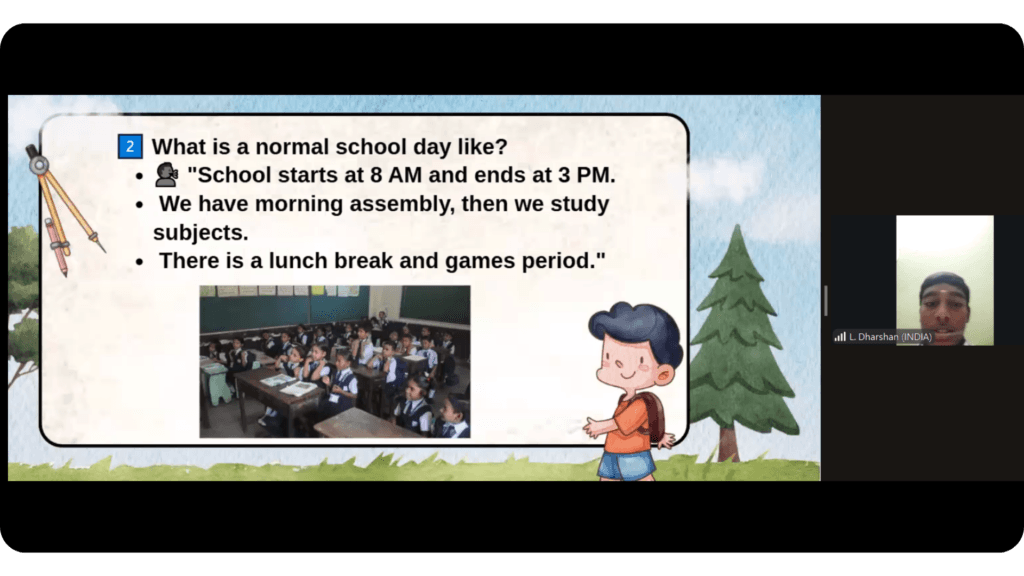
- Two classes compare what a normal school day looks like in each country, from timetables to lunch.
- Students introduce a local tradition, food or game and ask their partners about theirs.
- Classes read folk tales from each other's countries and compare what the stories teach.
- Students research a topic they both care about, such as music, sport or the environment, and present it to each other.
- Students learn greetings and key words in each other's languages.
In K-pop Talk, a four-week project created by a teacher in Bangladesh, students from several countries researched their favourite K-pop songs and presented them to each other. In the Free-Time Activities, Hobbies and Sport project, students aged 9 to 15 in Ukraine, Italy, India, the United States, Bangladesh and Turkey introduced themselves and presented their hobbies in live online meetings.
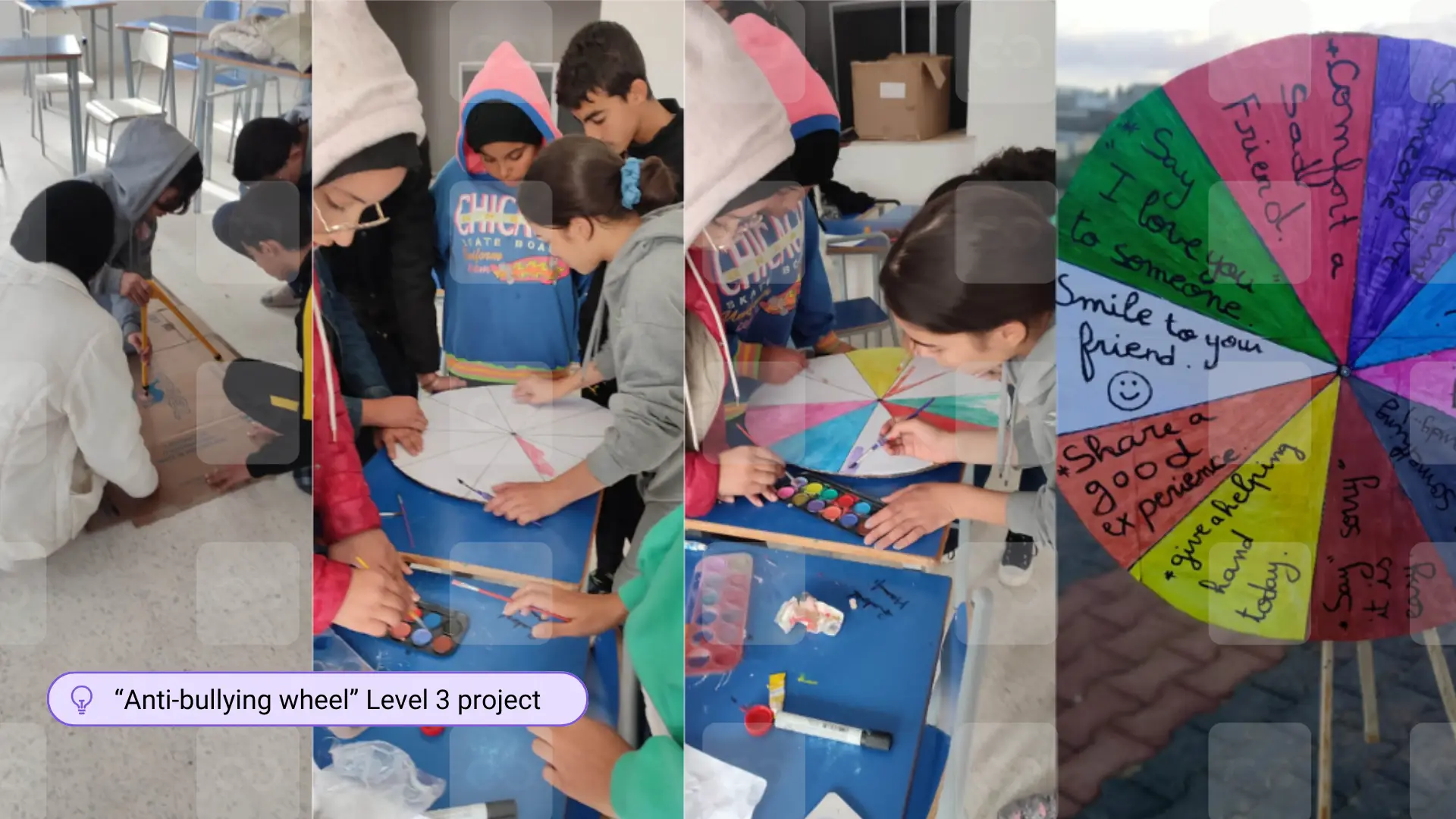
A cultural exchange can also lead to action. In Cut Bullying Out, students in Tunisia and India shared experiences through video calls and designed responses to bullying at their schools, such as a spinning-wheel game, bracelets and a complaint box.
Why cultural exchange matters for students
A well-planned cultural exchange gives students regular practice in:
- Understanding perspectives: seeing why people in other places think and live differently.
- Communication: explaining their ideas clearly to people who do not share their language or background.
- Language learning: using a language with real peers, not only with the teacher.
- Curiosity and respect: asking good questions and replying with care.
- Their own identity: noticing what is special about their own culture when they explain it to others.
These are skills students practise, not guaranteed results. Plan how you will notice them in students' work, for example in the questions they ask and how they reply to their partners.
How your class can take part without travelling
- Choose a topic that fits your curriculum, such as daily life, traditions, the environment or a book.
- Find a partner teacher whose students are a similar age, and agree on a language and a timeline.
- Start with introductions, then move to a shared question both classes want to explore.
- Share work in a class project space, live or at different times, so time zones are not a problem.
- Finish with a reflection and a small celebration of what both classes learned.
For your first lessons, try these five cultural exchange activities for a first classroom collaboration. On Class2Class, teachers find a partner class by subject, students' age, language and interests, and choose a ready-made project to run together. Class2Class is free for teachers and students.
Projects for a classroom cultural exchange
 Project ideaCultural Connections: Celebrating Diversity Through Storytelling
- Age groups
- 6-8, 9-12, 13-15
- Duration
- 4 weeks
- Language
- English
 Project ideaMy School, Your School
- Age groups
- 6–8, 9–12, 13–15
- Duration
- 4 weeks
- Language
- English
 Project ideaCelebrating International Friendship Day: Building Bridges Across Borders
- Age groups
- 13-15, 16-18, 18+
- Duration
- 4 weeks
- Language
- English
Respect and safety in a cultural exchange
- Let each student choose what to share about their own life and culture.
- Never ask one student to speak for a whole country or culture.
- Talk openly about stereotypes when they come up, in both classes.
- Keep the exchange in the class project space, where teachers can see what is shared.
- Students should never share home addresses, phone numbers, social media accounts or passwords.
Read how Class2Class protects students before you start.
Frequently asked questions
What is a simple example of cultural exchange?
Two classes in different countries comparing a normal school day is a simple example. Each class describes its timetable, lunch and games, using words, drawings or photos that follow the school's photo and consent rules, and asks the other class questions.
What is cross-cultural exchange?
It is cultural exchange with a focus on communication between people from different cultures: listening, explaining and working together, even when they see things differently.
Is a cultural exchange the same as an exchange program?
Not always. An exchange program usually means travelling to study or live in another country. Cultural exchange is broader: it also includes virtual exchanges, pen pal exchanges and shared projects between classes.
Is Class2Class free?
Yes. Class2Class is free for teachers and students.
Start a cultural exchange with your class
Pick one topic, find a partner class of a similar age and begin with introductions. A small, regular exchange teaches more than one big event.