Professional development for teachers through global collaboration
Professional development for teachers can include learning with colleagues in other countries: compare teaching approaches, plan a small shared project, try it with students and review the work together. Choose one clear learning goal and keep evidence of what you tried and what you would change.
Last updated
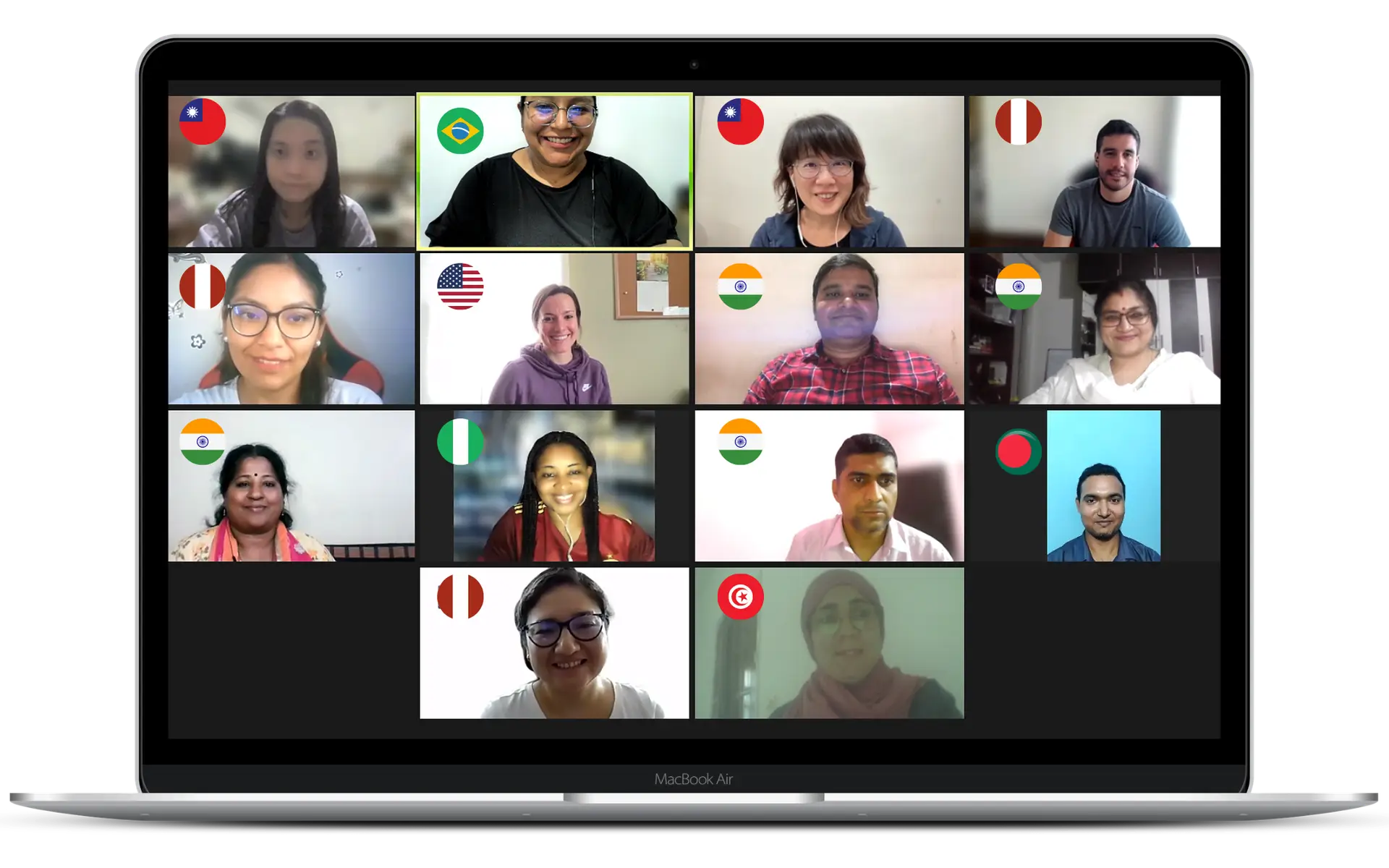
You can learn from another teacher without starting a large project. Choose one teaching question, compare approaches with a colleague and try a small change in class. Then look at the student work together and decide what to keep.
Make a simple teacher-learning plan
- Choose one question about your teaching, such as helping students compare sources or include quieter classmates.
- Find a colleague with a relevant subject, age group or project interest. Agree what each of you can try.
- Plan one task connected to the curriculum and collect a small example of student work.
- Compare what happened, what surprised you and what you would change. Keep a brief note for your own professional learning.
Class2Class connects teachers and offers project ideas. The teacher-training hub explains how to use the platform; it is different from an accredited professional-development course. Start with the resources that answer your immediate teaching question.
Seven areas to explore with a partner teacher
1. Understand another classroom context
Ask your partner how students learn and communicate in their setting. Compare routines, expectations and resources before designing the exchange. A teacher's account offers one perspective; it does not describe every school or person in their country.
For example, you could compare an environmental lesson, discuss different readings of a historical event or ask how families take part in school life. Bring a question rather than assuming that another education system has a single approach.
2. Compare a teaching strategy
In mathematics, compare real-world data from each community. In literature, discuss how two classes interpret a story. In science, agree a simple observation both classes can make. Ask your partner what support students need and adapt one idea for your lessons.
3. Plan a global citizenship task
- Compare more than one source on a global issue.
- Ask students to explain a different perspective fairly.
- Connect a world event with a question in the local community.
- Give partner classes a shared task that needs contributions from both.
- Use a relevant Sustainable Development Goal to discuss responsibility and possible action.
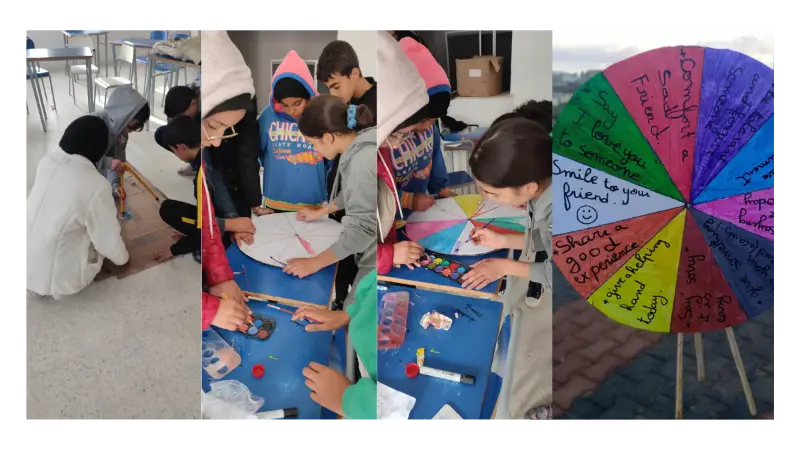
4. Build a useful peer relationship
- Share a lesson approach and ask what would work differently in the other classroom.
- Plan a small joint task before taking on a longer project.
- Offer specific support when the timeline, language or student needs change.
- Reflect together after the exchange rather than only sharing a finished presentation.
5. Connect local learning with the SDGs
Start with a local issue students can investigate and a relevant subject goal. Then compare how a partner class sees the same question. The SDGs can provide a wider context; they do not replace your curriculum or assessment plan.
- Choose an SDG that genuinely fits the task.
- Name one or two competencies students can practise.
- Agree what work or explanation would show understanding.
- Use feedback to improve the next activity.
The Class2Class educational framework explains its current competencies and teaching principles. Use it to discuss your learning focus with a partner.
6. Learn through a small shared project
- Agree a topic and a partner-class connection.
- Plan a task linked to the curriculum and, where relevant, an SDG.
- Support students as they investigate, create and respond to the other class.
- Compare their work with the learning goal and discuss one change for next time.
7. Record what you tried and learned
Keep the plan, a sample of work and your reflections in a teaching portfolio. Class2Class publishes a project-review process and verified collaboration certificates. Keep the certificate alongside your own notes about the teaching you tried and what you learned.
Frequently asked questions
Can an international project count as professional learning?
It can give you useful experience to reflect on with a colleague. If you need formally recognised hours or credit, check your school or provider's requirements before relying on it.
Does Class2Class offer free access?
Yes. Class2Class is free for teachers and students. Its tutorials explain how to get started, and its project ideas can help you plan shared classroom work.
What can I do if I have little planning time?
Choose one teaching question and one small task. Discuss it with a partner teacher, try it and review a sample of student work together.
Explore classroom projects
Explore Class2Class project ideas and choose one to adapt for your class.