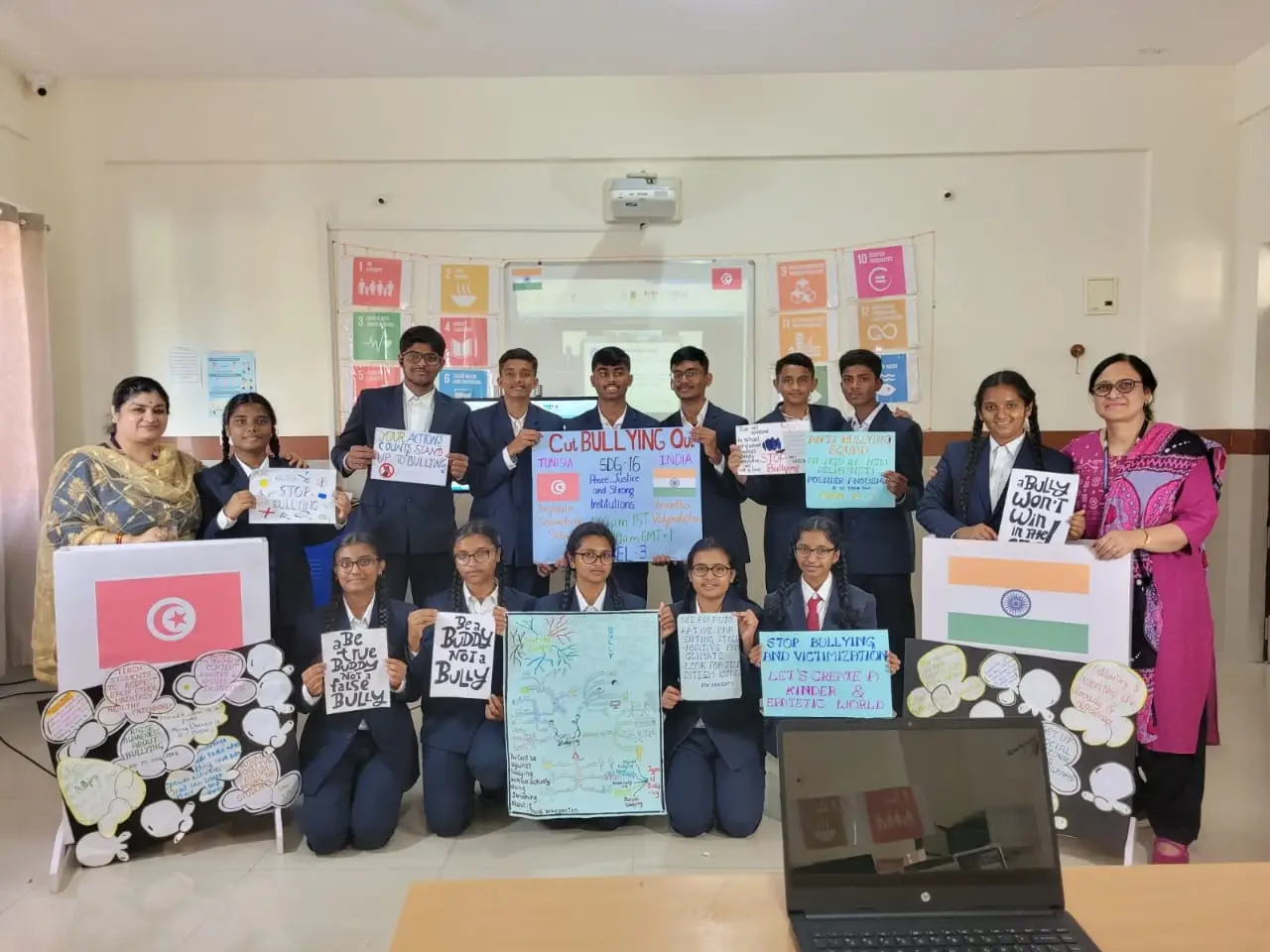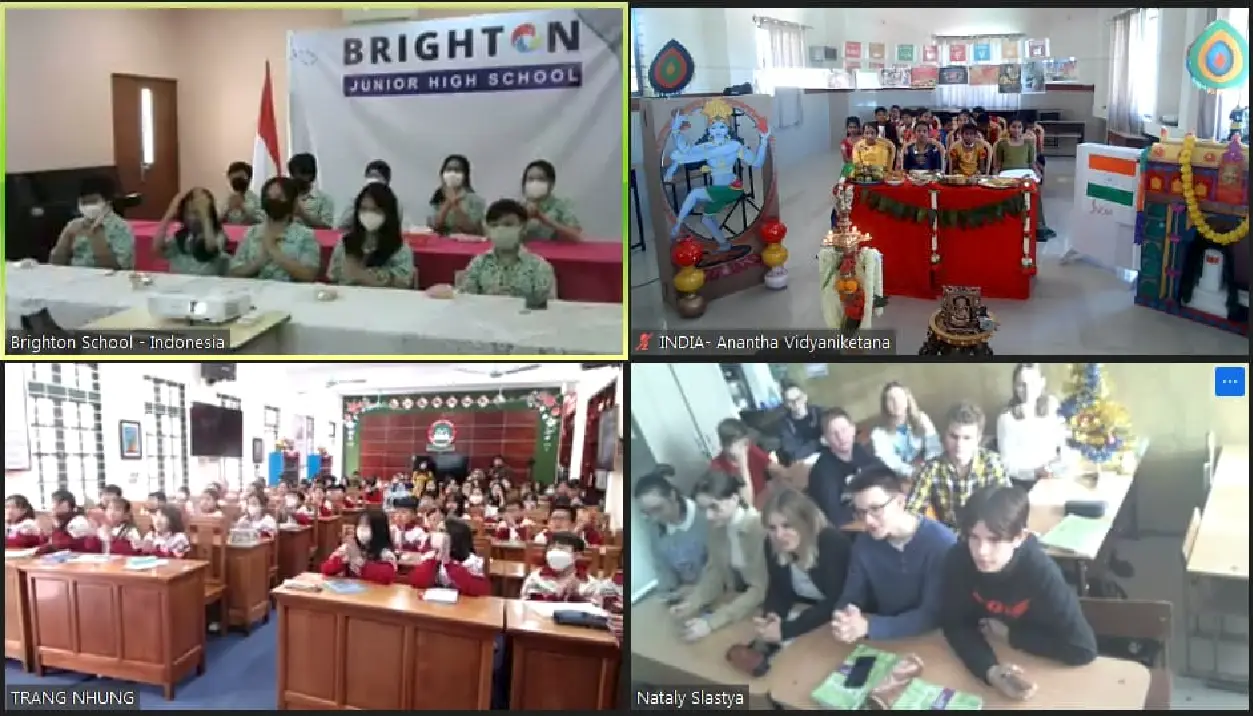
Choose an international teaching partner
Choose an international teaching partner by comparing your students' ages, learning interests, languages and schedules. Send a short, specific message, then agree a manageable shared task and reply dates. Teachers choose their partners; live meetings are optional.
Last updated

Find a partner for a project you can both manage
A useful teaching partnership starts with a shared interest and an honest conversation about what each class can do. Look for a teacher whose subject, students and schedule can work with yours, then propose a small exchange before planning a larger project.
On Class2Class, teachers choose and contact one another. The collaboration FAQ explains the professional profile information they can see and how teacher messaging works. If you are new to the approach, the global collaboration guide explains what the classes will do together.
1. Give your profile useful classroom context
Your profile helps another teacher understand the class you teach and the collaboration you have in mind. Describe your teaching background, subjects, students' age range, languages and interests. Say what you can offer and what you would like students to explore.
Include your school and country, and make your availability clear. A short, specific description is more useful than a broad promise to work on anything: for example, "Our 11-12-year-olds are studying local water use and would like to compare findings with another class." Update the information when your plans change.
2. Look for compatible interests and learning needs
Read a potential partner's professional profile for shared subjects, languages, SDG interests and availability. A suitable student age range and a shared learning purpose matter more than choosing a country first. Ask what each class is already studying and how much support students will need to communicate.
You do not need identical classrooms. Agree how different language levels or resources could fit the task. A shared interest can be the starting point: the K-pop classroom story uses music, while EarthSolvers offers an environmental question. Choose a topic your students can explore and discuss.
3. Compare schedules before committing
Check school calendars, holidays and the lesson time each class can offer. If you hope to meet live, compare the proposed date and local time in both places. A time difference alone does not tell you whether two school timetables overlap.
When a live meeting is difficult, exchange work at different times. One class can share a short text, drawing or recording; the other replies in its own lesson. Class2Class projects can be completed asynchronously, so agree realistic reply dates rather than relying on a recommended time-zone range.
4. Send a specific first message
Introduce yourself warmly and explain why you contacted this teacher. Mention an interest from their profile, the students you teach and one possible activity. Give a realistic date or time commitment, and invite their ideas instead of sending a finished plan they must accept.
You could adapt this message: "Hi [Name], I teach [subject] to students aged [ages] in [country]. I noticed your interest in [topic]. Our class is exploring [question], and we could exchange [short piece of work] during [dates]. Would that fit your class? I would be happy to hear your ideas. Best, [Your name]."
Keep the first message brief and professional. Share classroom context rather than students' personal contact details. A useful introduction gives the other teacher enough information to decide whether to continue the conversation.
5. Keep track of requests and replies
Check for new connection requests and teacher messages regularly. Read the other teacher's profile and proposal before agreeing. If the idea interests you but the timing does not work, explain what would be possible instead.
Reply when you can, even if you need to decline. If a conversation goes quiet, send one polite follow-up and leave room for different teaching schedules. A connection is the start of a discussion; agree the project before promising your class a partner.
6. Agree a small first plan
Use teacher messages to discuss the idea, or arrange a short coordination meeting if that works for both of you. A live call can help you get to know each other, but it is optional. The aim is to leave with a plan both teachers understand.
- Introduce your teaching background and classroom context.
- Compare shared interests and what you want students to learn.
- Choose one project idea or question to explore together.
- Agree the collaboration format, lesson time, dates and likely workload.
- Identify the resources, language support and strengths each class can contribute.
- Decide what students will share and how the partner class will respond.
- Choose a teacher communication space and a check-in routine.
The first-meeting guide is an existing downloadable resource for preparing an agenda and recording agreements. You can use it to plan a meeting if you choose to have one. After your discussion, write down the dates, tasks and next steps so neither teacher has to rely on memory.
For the next stage, the teacher coordination guide shows how to keep a shared plan, messages and student work organized. Start with something both classes can complete, then decide together whether to continue.
Sources
- Class2Class. Questions from schools, DPOs and partners.
- Class2Class. Quick guide for the first meeting with your partner teacher. PDF.
- Class2Class. Global Collaboration in Action: K-pop in the Classroom.
- Class2Class. EarthSolvers: Local Action, Global Change.
Choose an idea to discuss with a partner
Explore a classroom project that fits a topic you teach. Use it as a starting point for your message, then agree the activity and schedule with the other teacher. Class2Class is free for teachers and students.