Indigenous Peoples Day: respectful classroom projects for August 9
The International Day of the World's Indigenous Peoples is observed on August 9. Choose a specific community and learn from its own voices and public resources. Younger students can build a discovery journal and shared story; older students can research representation, language or rights with a partner class.
Last updated
Learn from Indigenous voices
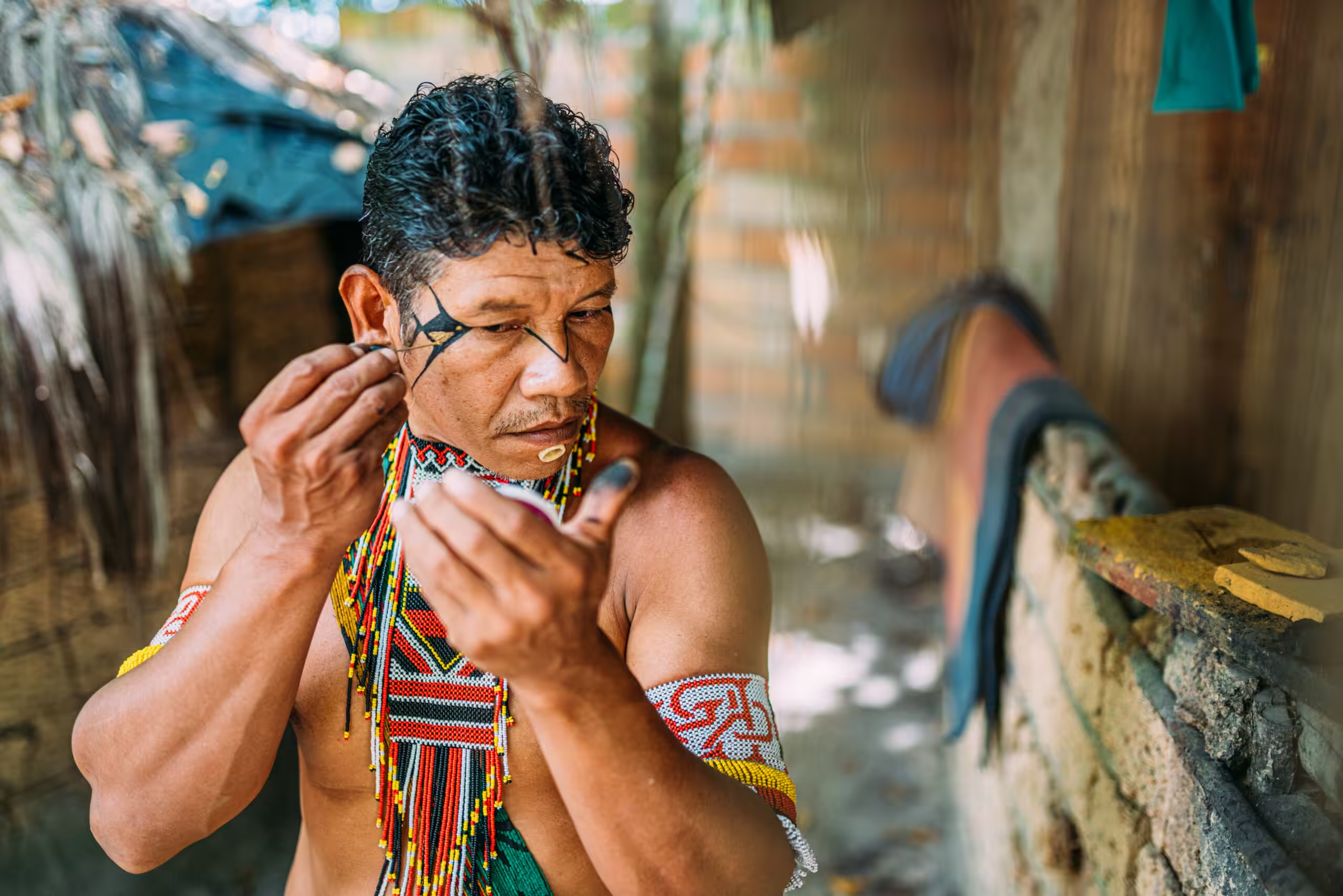
Choose a specific Indigenous community and begin with a public story, artwork or account created by or with its members. Learning from these voices helps students explore living communities, their languages, knowledge and rights in a specific context.
With a partner class, students can explore how that community tells its stories, passes on knowledge and represents its experiences today. The projects below offer a cultural discovery journal and a shared storytelling activity for younger learners, or a closer study of representation and rights for older students.
Project ideas
 Project ideaCelebrating Our Roots: A Journey into the World of Indigenous Cultures
- Age groups
- 6-8, 9-12, 13-15
- Duration
- 4 weeks
- Language
- Agree with your partner
 Project ideaGuardians of Heritage: A Youth-Led Journey into Indigenous Wisdom
- Age groups
- 13-15, 16-18, 18+
- Duration
- 4 weeks
- Language
- Agree with your partner
Celebrating Our Roots: keep a journal and share a story
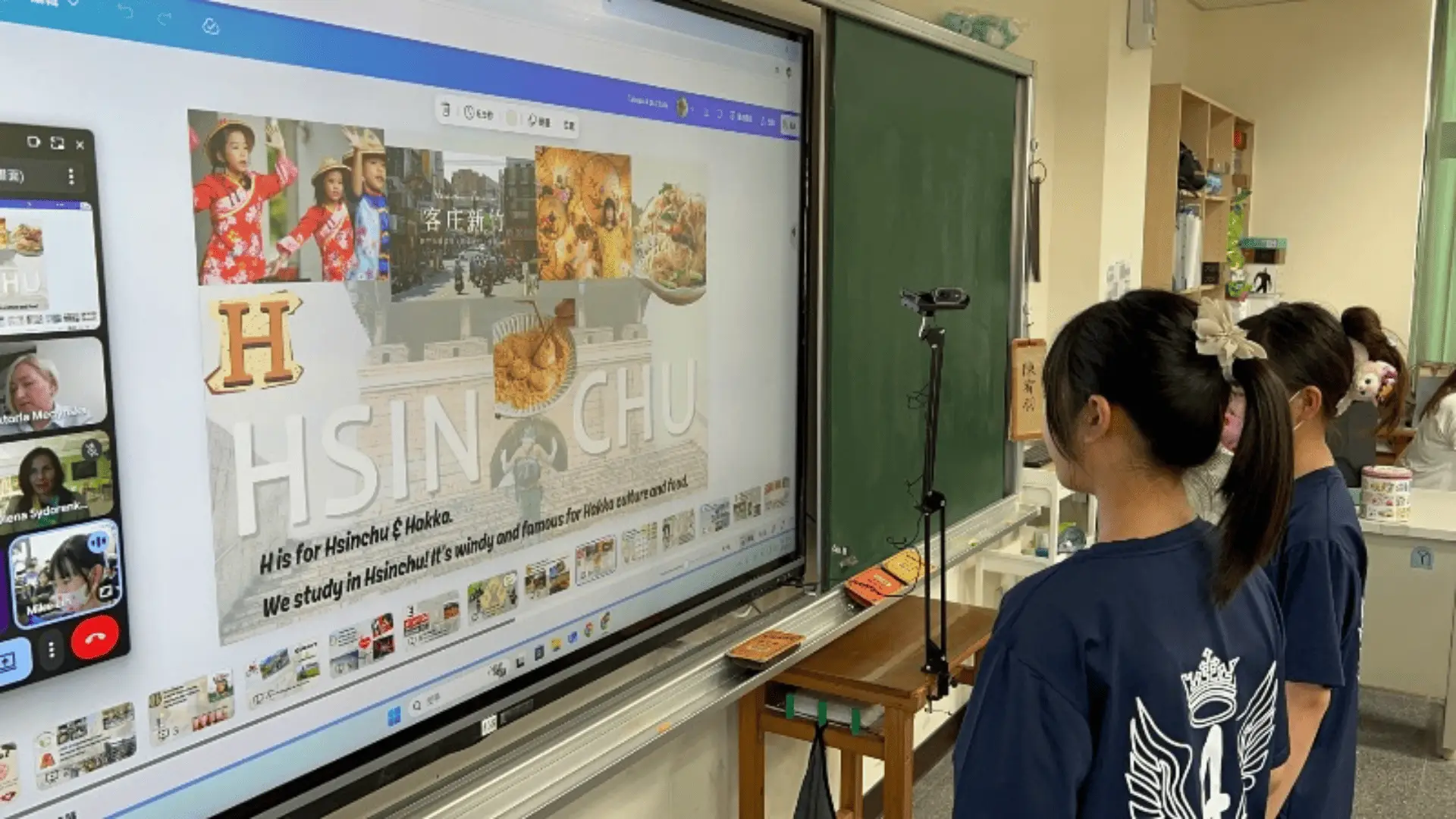
Guide younger learners through public museum resources, documentaries and interactive materials about a specific Indigenous community. Include oral traditions, art, music and ecological knowledge. Keep a Cultural Discovery Journal recording discoveries, questions and the source of each account.
With a partner class, choose a shared storytelling response: a picture book, puppet show or animated video. Attribute the resources and check how the community is represented. A closing Indigenous Wisdom Celebration can give classes time to share their findings and reflect on living heritage. Use material intended for public sharing and agree permissions for any community contribution.
- Empathy and cultural understanding: listen to stories and traditions with attention to their context.
- Creativity: make a picture book, puppet show or video that communicates learning respectfully.
- Collaboration and teamwork: co-create the response across languages and time zones.
- Global awareness: compare what students learn about heritage, communities and responsibility.
Guardians of Heritage: research representation and rights
Older students can investigate traditional knowledge, language revitalisation, art or Indigenous rights activism. Start with questions and discussion using Indigenous voices. Where a suitable invitation and permission are in place, an expert, activist or artist can contribute a conversation.
Compare representations and examine stereotypes or cultural appropriation. Teams can create a research-based campaign, short film or social media proposal, then present it in a shared virtual festival. Define the audience, credit sources and invite feedback on accuracy. Use discussion of representations to evaluate evidence and viewpoints.
- Critical thinking and problem-solving: examine representation, cultural appropriation and rights through specific evidence.
- Leadership: organise the research and coordinate a campaign or presentation.
- Research and investigation: study knowledge, language and art with ethical attribution.
- Empathy and cultural understanding: listen, discuss and respond carefully to Indigenous perspectives.
Why this day matters
The UN General Assembly proclaimed the International Day of the World's Indigenous Peoples in 1994 through resolution 49/214. August 9 marks the first meeting of the UN Working Group on Indigenous Populations in 1982. The UN describes approximately 476 million Indigenous people living in more than 90 countries. The observance offers a context for inclusive education through SDG 4 and accurate, respectful learning about diverse communities.
Explore oral traditions, land stewardship, art, music, languages and contemporary rights through community sources. International peers can contribute another local context. Ask whose account you are reading, what it represents and how it should be credited.
Find more observances in the SDG Calendar.
Skills to practise
- Empathy and cultural understanding: listen to Indigenous stories and perspectives in their own context.
- Research and investigation: compare oral histories, cultural resources and evidence about contemporary life.
- Global awareness: consider how knowledge, heritage and rights connect across places.
- Communication: share findings through storytelling, videos, artwork and presentations with clear attribution.
The 2026 theme
UN DESA published the 2026 theme, "Honouring Indigenous Midwives: Safeguarding Life and Well-being". It recognises midwives as caregivers and knowledge holders. Students can explore an age-appropriate public account of how knowledge is passed between generations, using resources created or endorsed by the community.
Frequently asked questions
When is the International Day of the World's Indigenous Peoples?
It is observed every year on August 9. The date marks the first meeting of the UN Working Group on Indigenous Populations in 1982.
Do students need to contact an Indigenous community?
No. Begin with public resources created or endorsed by the community. If you invite a contributor, agree the purpose, permissions and credit before sharing their contribution.
How can students share their learning respectfully?
Name the specific community and sources, include contemporary voices and explain the context. Make a learning response using material intended for public sharing, then check its accuracy and attribution before presenting it.
Explore a project for your class
Explore a project idea that fits your class. Adapt its activities, then agree a shared question, dates and a small first contribution with a partner teacher.