Active learning methods: eight approaches for K-12 lessons
Active learning methods ask students to use ideas through discussion, problem-solving, explanation or creation. Start with one method that fits your learning goal, explain the task and check understanding. The eight approaches below include classroom examples, practical advantages and limits.
Last updated
Choose a method for what students need to do: explain an idea, connect sources, practise a skill or investigate a problem. You can add a short activity to an existing lesson and use students' responses to decide what to teach next.
Choose an active learning method
For a short explanation task, try Think-Pair-Share. For connected source work, use Jigsaw. For practice with different support, try station rotation. For a shared investigation, use problem-based learning or an international exchange. Teacher explanation, reading and individual practice can support any of these.
Think-Pair-Share
Pose a question, give students individual thinking time, then ask partners to discuss before sharing with the class. In grade 4 fractions, ask: "A pizza has eight slices and you eat three. What fraction is left?" One possible pace is 30 seconds to think and two minutes to discuss; adapt it to your class.
It needs few materials and offers a supported way to explain an answer. Clear time limits and turn-taking help prevent one partner dominating. Vary the question or format if the routine becomes repetitive.
Rotate pairs every two weeks, or choose a rhythm that suits your class. Ask both students to explain the fraction or draw their reasoning.
Jigsaw
Divide the content into parts. Students study one part in an expert group, then join mixed groups to teach what they found. For a grade 8 American Revolution task, use taxation, representation, the Boston Massacre, the Intolerable Acts and colonial grievances; mixed groups then make a timeline connecting the causes.
Each student has information the group needs, and students practise explaining sources. The task requires clear materials and enough study time. Some readers may need vocabulary, shorter texts or teacher support before they teach a section.
Give expert groups guiding questions and key vocabulary. Check their understanding before they regroup, then ask each student to explain one connection in the shared timeline.
Problem-based learning
Start with a problem and help students identify the knowledge they need. A grade 5 urban-heat task could compare schoolyard and park temperatures, research heat absorption, vegetation, albedo and evapotranspiration, then propose a change supported by the data.
It connects research and subject knowledge to a decision, but an open problem needs time and clear boundaries. Plan which curriculum goals the investigation will cover and teach the concepts students need.
Begin with a bounded investigation; a one-week unit is one possible plan. Set clear constraints and allow more than one justified response. Project-based learning can extend the investigation into a product for an audience.
Gallery walk
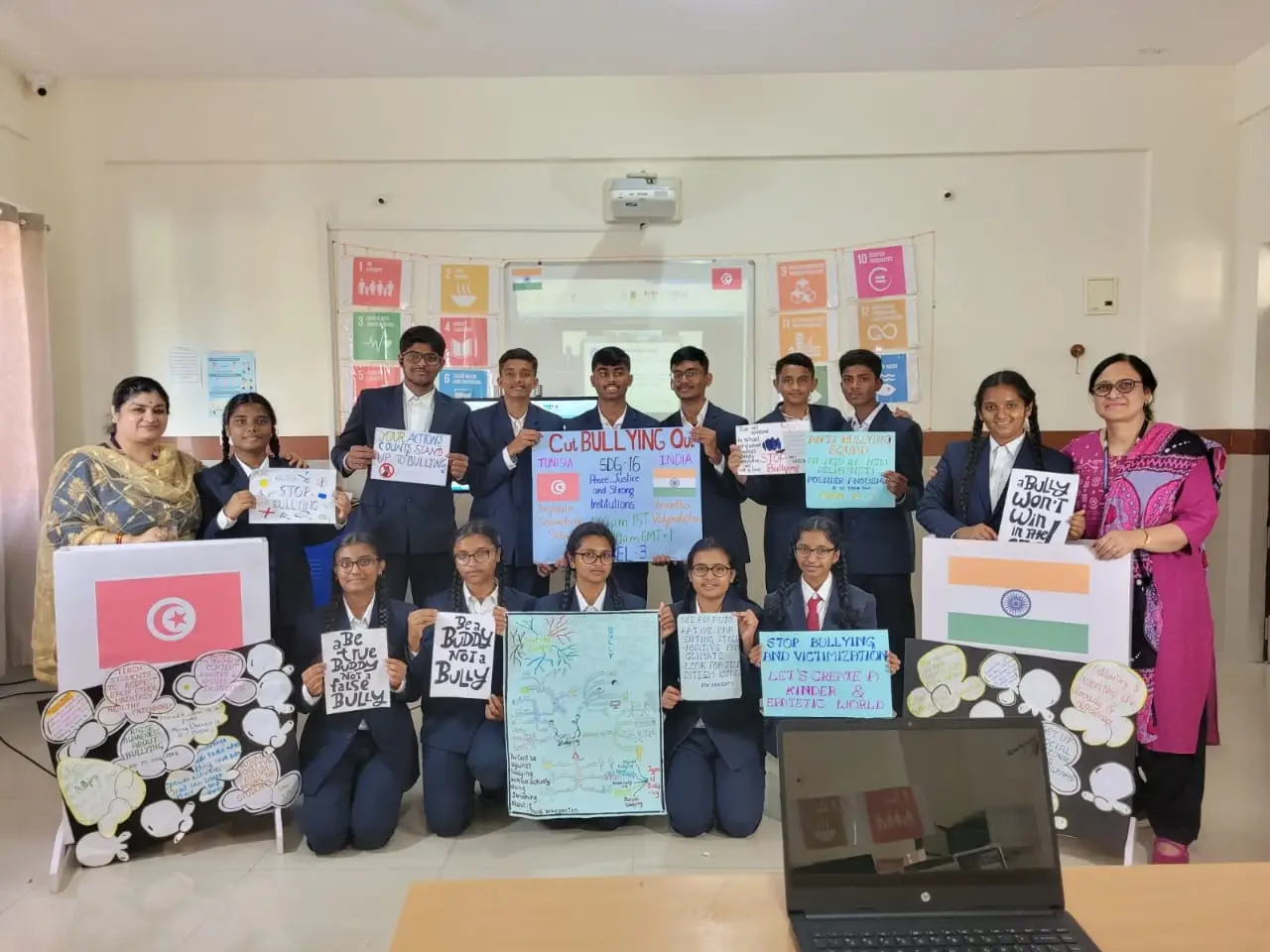
Students create posters or displays, then examine one another's work and leave questions or connections. For grade 7 renewable energy, give each group a source to explain: benefits, limits and where it may work. Groups respond to the feedback afterwards.
The display gives students several examples and a record to revisit. It needs space and clear movement rules. Offer seated viewing, digital pages or a partner who brings feedback when moving between stations is difficult.
Give a task at each stop: answer a question, make a connection or offer a reasoned critique. Use a timer with enough reading time, and ask each group to explain one revision after the walk.
Socratic seminar
Prepare students to discuss a text or a complex question with evidence. For The Great Gatsby, students can annotate passages and write three questions before the seminar. During discussion they respond to one another while the teacher records ideas and participation.
The discussion makes reasoning and listening visible. It needs preparation and agreed rules, and confident speakers may need help to share the floor. Provide ways to contribute through notes or prepared questions as well as speaking.
Try an inner and outer circle: one group discusses while another observes and takes notes, then switch. Ask observers to identify a use of evidence and a question that moved the discussion forward.
Station rotation
Set up focused learning zones and rotate small groups. In grade 3 multiplication, use arrays with manipulatives, word problems, digital games and a teacher-led group. Fifteen minutes at each station across two days is one possible schedule; adjust for access and lesson length.
Stations let you offer different support and focused teacher time. They require materials, clear directions and transition rules. Plan a paper alternative to the digital task and check whether students have enough time to complete each step.
Provide self-checking answers or success criteria and an agreed transition signal. Use a short explanation or sample problem to check what each student understood.
Peer teaching
Students take turns explaining content the class is learning. In a grade 6 cells unit, students can prepare a three-minute lesson on a term with a definition, a visual and an example. One possible week has five student explanations each day, followed by questions.
Preparing an explanation gives you evidence of students' understanding and practice in presenting. Incorrect explanations need correction, and some students may prefer a recorded, written or paired contribution.
Review the lesson plan before students teach and give feedback. Keep explanations short; three to five minutes is one option. Ask classmates to explain the concept afterwards so you can find misconceptions.
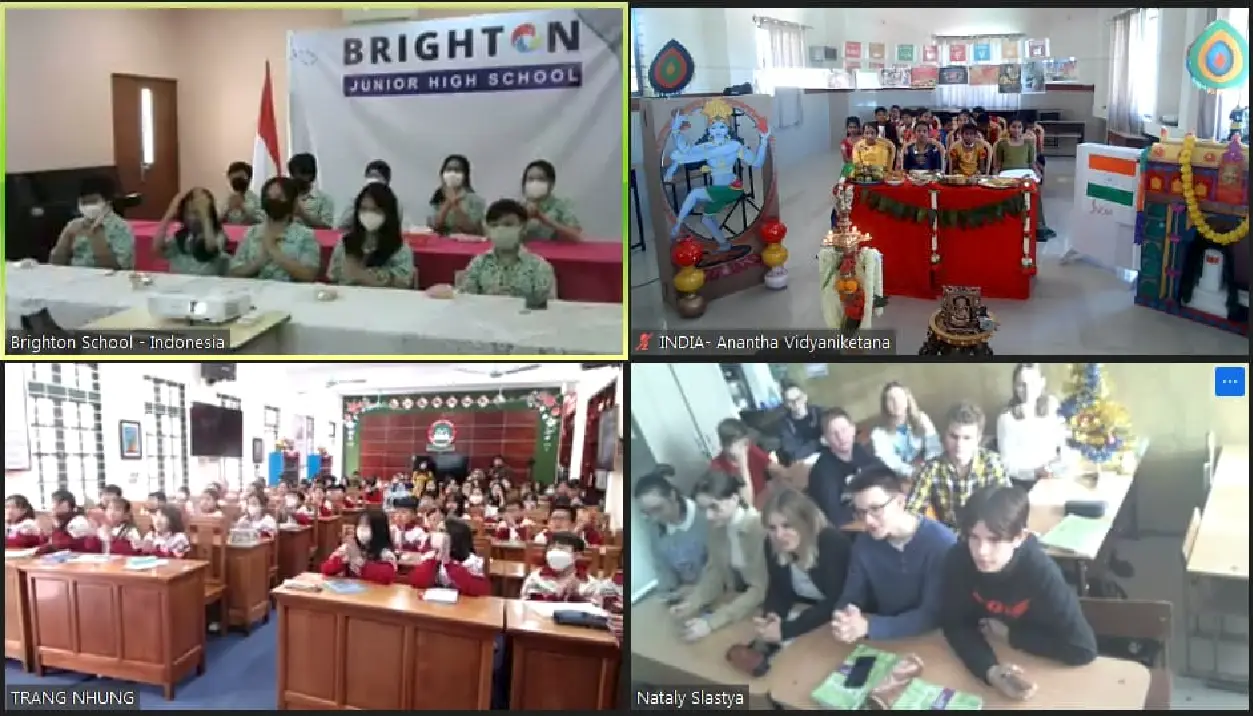
International collaboration
Agree a shared task with a partner teacher. A Mumbai class and a São Paulo class could compare water-use patterns, climate challenges and conservation strategies, then create a presentation showing what each place could learn from the other.
The partner class provides an audience and another context to consider. Plan for language support, available technology and response dates. Use students' explanations to check what they learned.
Start with asynchronous video messages, written contributions or shared work. Add a live meeting if useful; teachers choose and schedule the external video tool. Use the same learning check in both classes.
Combine methods with a clear goal
You can combine methods when each serves a purpose: Think-Pair-Share to surface initial thinking, stations to practise and peer teaching to explain. A climate-change unit might begin with a seminar about data, use stations for regional impacts, develop proposals through problem-based learning and finish with a gallery walk.
Offer several ways to explain an answer: discussion, a drawing, a model or a written response. Choose methods for the learning goal and access needs, rather than assigning students fixed learning styles.
Start small and check learning
Add one method to an upcoming lesson. Explain its purpose, model the steps and agree communication rules. Use discussion sentence frames and show how to give feedback or share speaking time. A familiar, low-stakes topic can help students learn the routine.
Let students work through a question, but intervene when they need knowledge, support or help with a disagreement. Ask questions that extend thinking and invite students to tell you what helped or was difficult. Adjust one part of the next lesson.
Check learning during the task: listen to Think-Pair-Share explanations, read gallery questions and check what Jigsaw experts can teach. A sustainable-garden proposal can show application after an ecosystems unit; an individual response or quiz can also check understanding. Use a rubric for the group product alongside each student's explanation, self-review or feedback.
The teacher facilitation guide helps you plan roles, questions and check-ins. For a fuller exchange, use the project assessment guide to separate process evidence, a shared product and individual understanding.
Class2Class is free for teachers and students. Find and connect with teachers through Connect using shared subject, age, language, SDG interests and availability. Agree the task and use project chat, teacher messaging and the Board to exchange work. You choose the plan and support your students throughout.
Frequently asked questions
Do active learning methods replace teacher explanation?
No. Explain and model what students need, then give them a task that uses the ideas. Use their responses to decide where more teaching or practice is needed.
Which method is a manageable first step?
Think-Pair-Share is a useful starting option when students need to explain an answer. Give individual thinking time, a clear partner question and a short learning check. Choose another method if the goal needs a different task.
How can I see what each student learned?
Ask each student for a short explanation, sample problem, source note or reflection. Combine that with the group work and what you observe during the task.
Explore a project for your class
Choose one active learning method for your next lesson. If an international audience fits the task, explore a Class2Class project idea and adapt it with a partner teacher.