Global education platforms: what they are and how to choose one
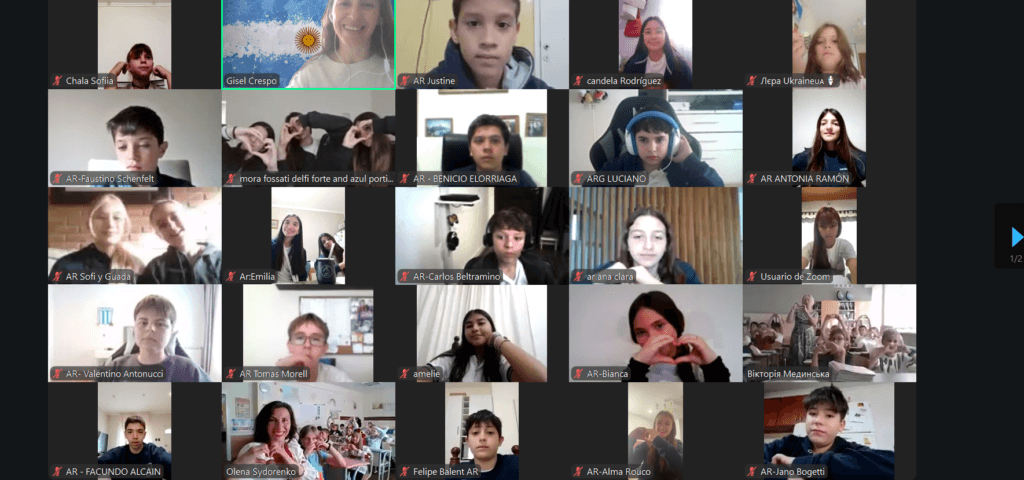
A global education platform is an online service that connects classes in different countries and gives them a shared space to learn together. Teachers use it to find a partner class, choose or plan a project and run it with both classes, live or at different times.
See what to checkLast updated
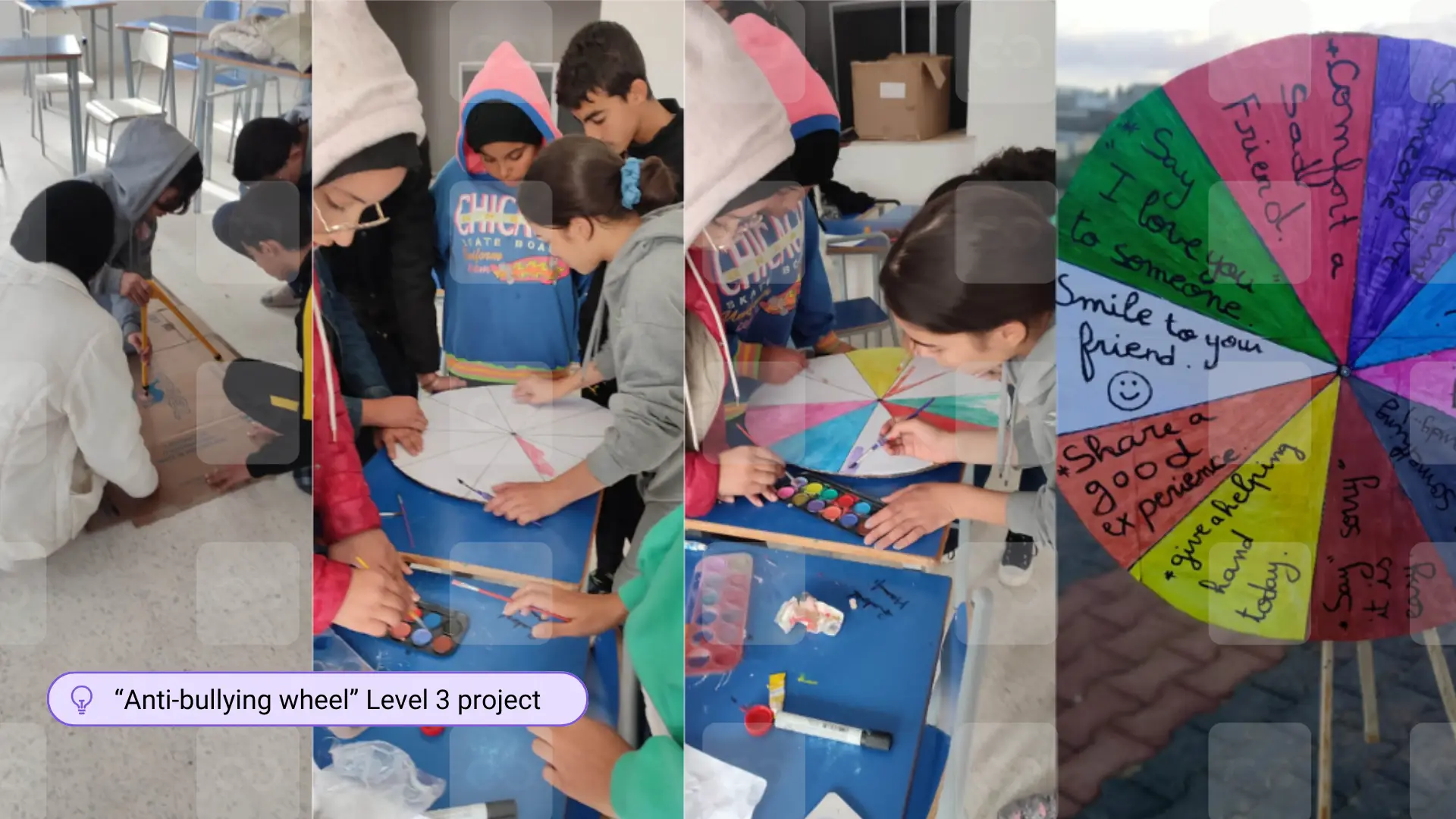
Many students finish school without ever working with someone from another country. A global education platform is designed to change that. This guide explains what these platforms do, what to check before you choose one and how to run a first project with a partner class.
What is a global education platform?
A global education platform is built for teaching, not for social media or general video calls. It brings three things together: a way to find partner teachers, project plans that fit school lessons and a shared space for students' work that teachers can see.
The difference from a one-off video call is time. On a platform, two or more classes work together for several weeks on a shared question, and each step connects to what students are already learning. You may also hear the terms global learning platform or virtual exchange platform for the same idea.
What a global education platform helps you do
- Find a partner teacher whose students are a similar age and who shares your subject or interests.
- Start from a ready-made project instead of planning everything alone.
- Let students share work in one place, at times that suit both schools.
- Keep the exchange safe, with teachers able to see what students share.
- Show students that the topic they study matters to people their age in other places.
For example, in Climate Chats, 7th graders at a school in the United States connected with peers from six countries to explore the global impacts of climate change, and shared what they learned in a podcast.
What to check before you choose a platform
Not every platform suits a school. Use these questions to compare the options.
Swipe horizontally to see all columns
| What to check | Questions to ask | Why it matters |
|---|---|---|
| Partner matching | Can I search by students' age, subject and language? Are the teachers working in real schools? | A good match is one of the most important factors in a project that works |
| Ready-made projects | Are there project plans I can adapt, with clear steps and goals? | Saves planning time, especially in a first project |
| Safety | Can teachers see what students share? Is there a clear way to report a problem? Are contact details kept private? | Students should never deal with strangers alone |
| Privacy | Does the platform explain how it stores and uses data, and follow laws such as the GDPR or COPPA? | Schools are responsible for students' personal data |
| Time zones | Can classes work at different times, not only in live calls? | Partner classes are often many hours apart |
| Cost and access | Is it free for schools? Does it work on phones and slow connections? | Partner schools may have different budgets and technology |
If a platform cannot answer the safety and privacy questions clearly, choose another one.
Projects you can run on a global education platform
- Subject projects: two classes investigate the same topic, such as water or local history, and compare what they find.
- Sustainable Development Goal projects: classes choose one goal and plan a small action together.
- Cultural exchange projects: students compare daily life, traditions and what matters to them.
- Creative projects: classes make something together, such as a podcast, a digital gallery or a joint presentation.
- Debates: students prepare arguments on a shared question and discuss them with their partners.
In Should Rivers Be Connected?, students aged 10 to 25 from 10 countries prepared arguments on both sides of one question about water and sustainability, then debated it together online. To see what a cultural exchange project involves, read the guide to cultural exchange in the classroom.
Common challenges and how to handle them
- Time zones: plan most of the work at different times and keep live calls for the start and the end.
- Language: agree on a shared language, keep messages short and use pictures to support meaning.
- Technology: if your partner has a slow connection, share text and images rather than long videos.
- School calendars: compare holidays before you start and choose a project of four to six weeks.
For more ideas, read how to work across time zones with a partner class.
How Class2Class works as a global education platform
Class2Class is a global education platform for K-12 teachers and their classes. Teachers find a partner class by subject, students' age, language and interests, choose a ready-made project and work together on a shared project board, live or at different times. Teachers can see what their students share, and there is a Report button in messages and projects. Class2Class is free for teachers and students. Read how Class2Class protects students.
Projects to start with a partner class
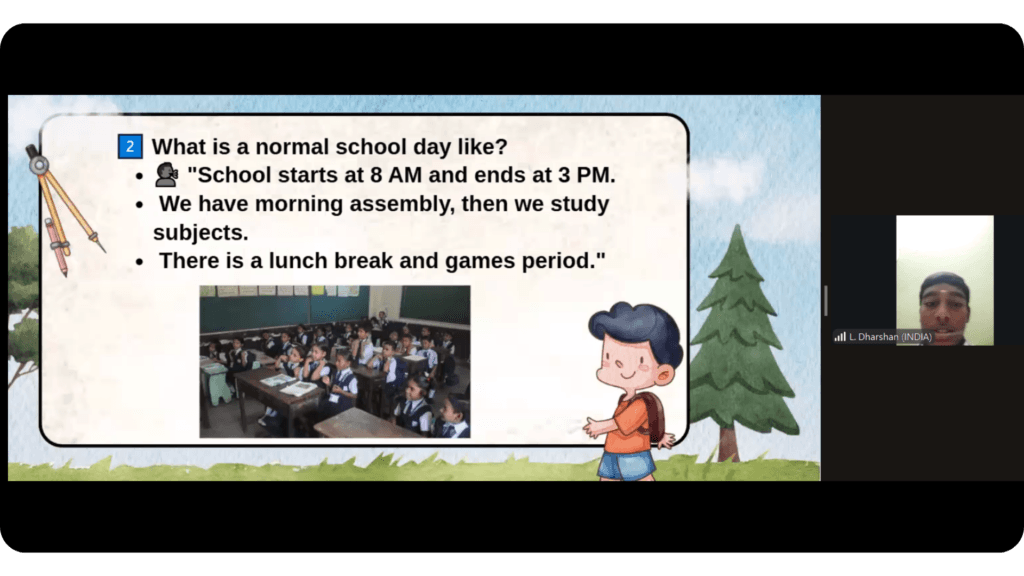 Project ideaMy School, Your School
- Age groups
- 6–8, 9–12, 13–15
- Duration
- 4 weeks
- Language
- English
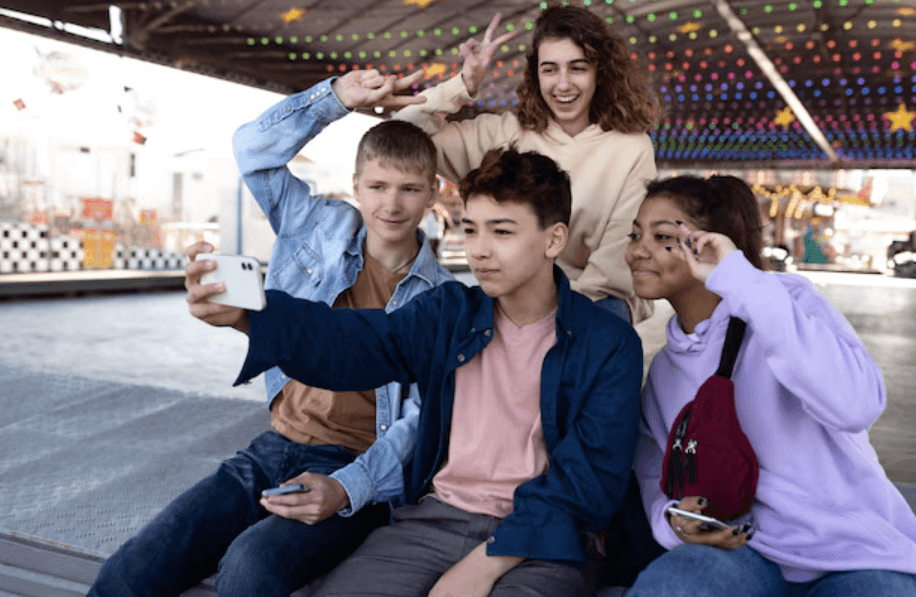 Project ideaFriendship around the world
- Age groups
- 6-8, 9-12, 13-15
- Duration
- 4 weeks
- Language
- English
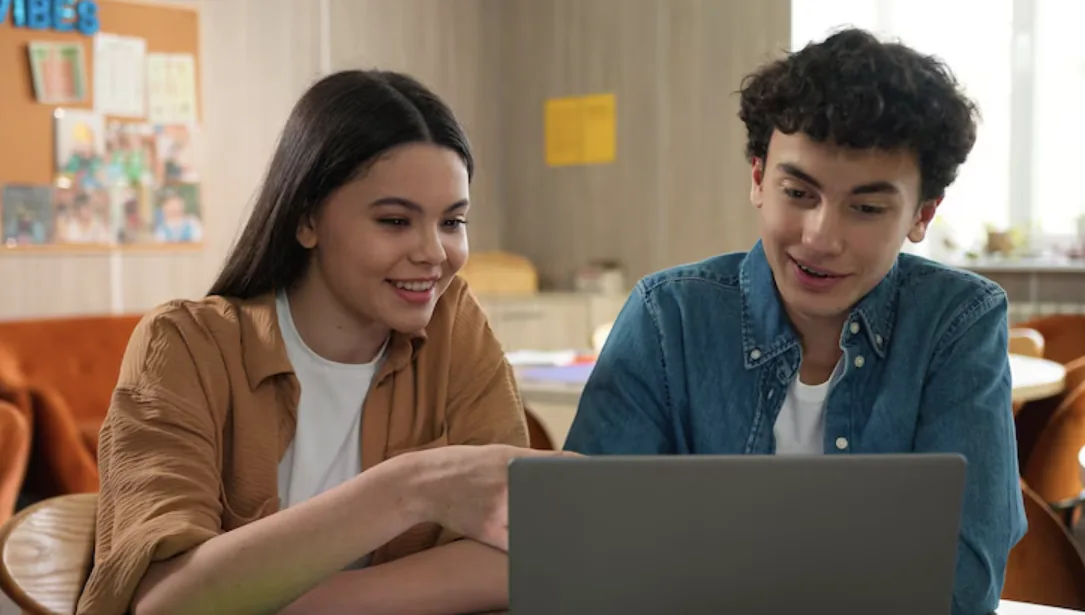 Project ideaBuilding Safe Digital Futures
- Age groups
- 13-15, 16-18, 18+
- Duration
- 4 weeks
- Language
- Agree with your partner
How to start with a global education platform
- Decide what you want students to learn, for how many weeks and how much class time you have.
- Create your teacher profile with your subject, students' age and interests.
- Choose a ready-made project, or a topic you want to explore with a partner class.
- Contact a partner teacher and agree on goals, a timeline and how students will share their work.
- Start small: a project of three or four weeks is a good first step.
Frequently asked questions
What is an example of a global education platform?
Class2Class is one example. It connects K-12 teachers with partner classes in other countries and gives them ready-made projects and a shared space for students' work.
Are global education platforms safe for students?
They can be, if teachers can see what students share, students never exchange contact details and there is a clear way to report a problem. Read the platform's safety and privacy pages before you start.
Do we need live video calls?
No. Most of the work can happen at different times. Add a live call at the start or the end of a project when your time zones allow it.
Is Class2Class free?
Yes. Class2Class is free for teachers and students.
Find a partner class for your first project
Pick a topic your students care about, choose a ready-made project and invite a partner class. Class2Class is free for teachers and students.