Multicultural education: a practical guide to diversity in the classroom
Multicultural education is an approach to teaching that reflects the cultures, languages and experiences of all students and helps every student understand and respect people who are different from them. In practice, it treats diversity as a resource and gives students real contact with other perspectives.
Try an activity this weekLast updated
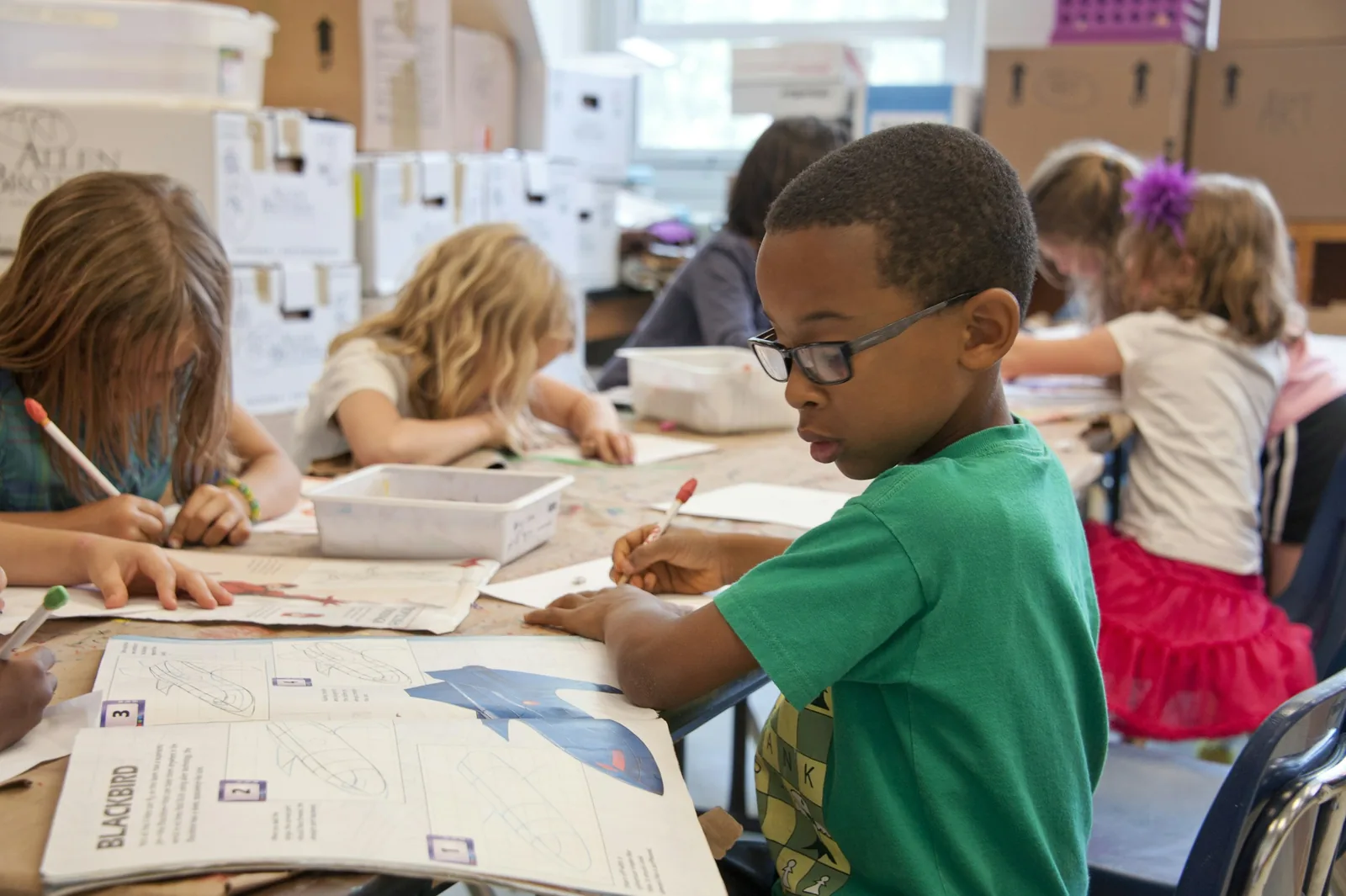
Every class is diverse in some way: home languages, family traditions, religions, abilities and experiences. Multicultural education turns that diversity into learning. This guide explains the idea in plain terms, then gives you activities to use this week and a simple way to connect your class with students in another country.
What is multicultural education?
Multicultural education is both an idea and a practice. The idea is that every student should see their own culture respected at school and learn to understand cultures that are different from their own. The practice is choosing content, examples and activities that include many perspectives, and making sure every student can take part fully.
Education researcher James A. Banks describes five dimensions that show what this looks like in a school:
- Content integration: using examples and materials from many cultures in every subject, not only in social studies.
- Knowledge construction: helping students ask who created a piece of knowledge and from which point of view.
- Prejudice reduction: planning activities that help students question stereotypes and build positive attitudes.
- Equity pedagogy: adapting teaching so students from all backgrounds can succeed.
- An empowering school culture: making sure the whole school, not only one lesson, includes every student.
Why diversity in the classroom matters
Diversity in the classroom is not a problem to manage. It is a resource for learning. When students meet different perspectives, they practise skills they need in a connected world: listening, asking good questions, explaining their own view and changing their mind when they learn something new.
Diversity in a class can include language, culture, religion, ability, family background and much more. This guide focuses on culture and language, with activities for exploring different perspectives respectfully.
Multicultural classroom activities to try this week
These are suggested classroom adaptations. Choose an activity and adjust the language, materials and support to your pupils. Each gives students a task and a simple way to discuss what they learned.
Swipe horizontally to see all columns
| Activity | Ages | What students do | What you can check |
|---|---|---|---|
| Identity map | 6-18 | Draw or write what shapes who they are, such as languages, places, traditions, foods and stories. Each student chooses what to share. | Can each student name two parts of their identity and listen to a classmate's? |
| Same question, different places | 8-18 | Answer one question, such as "What does a school day look like?", and compare answers from different families or countries. | Can students describe one similarity and one difference without judging? |
| Multilingual word wall | 6-14 | Collect greetings and key words in every language spoken in the class or by a partner class. | Do students use the words and ask how to say them correctly? |
| Folk tales side by side | 8-15 | Read two short folk tales from different cultures and compare their lessons. | Can students explain what each story teaches and why it matters to its community? |
| Where do our things come from? | 10-18 | Trace everyday objects, such as food or clothes, on a world map. | Can students explain how their daily life connects to other countries? |
| A celebrations calendar | 6-18 | Build a class calendar of festivals and international days, such as World Day for Cultural Diversity on 21 May. | Do students check a celebration in a reliable source instead of guessing? |
Learn with a class in another country
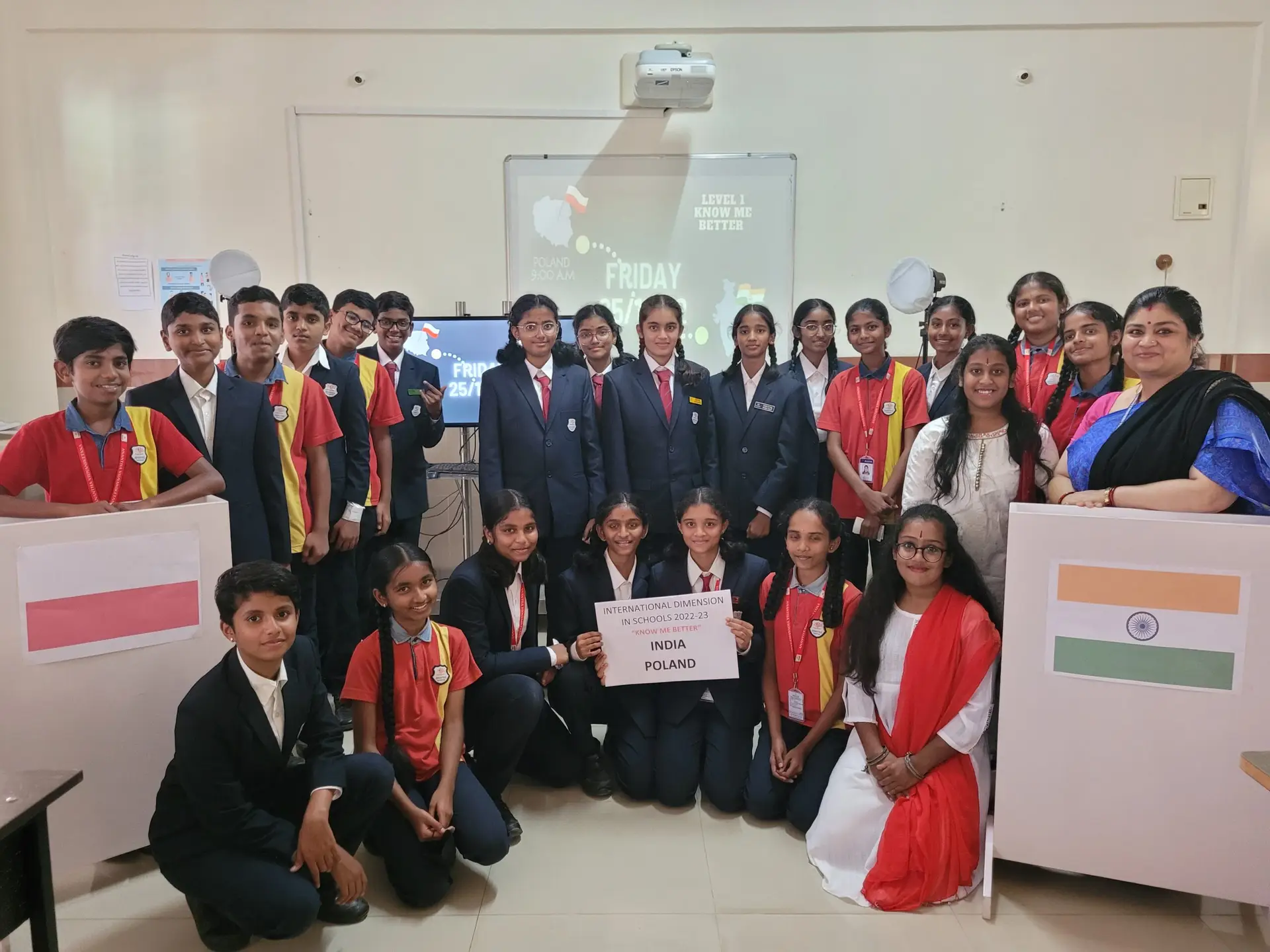
A partner-class exchange is one way to bring other perspectives into a classroom. On Class2Class, teachers explore partners and project ideas, agree the language, age groups and timetable, and use a shared project workspace to exchange class work. Teachers can share students' work for them; student accounts are optional. Classes can work at different times or arrange a live call using their chosen video tool. Class2Class is free for teachers and students. Read the collaboration FAQ for the current process.
Projects to explore with a partner class
 Project ideaCultural Connections: Celebrating Diversity Through Storytelling
- Age groups
- 6-8, 9-12, 13-15
- Duration
- 4 weeks
- Language
- Agree with your partner
 Project ideaCelebrating Cultural Diversity: A Journey of Discovery
- Age groups
- 13-15, 16-18, 18+
- Duration
- 4 weeks
- Language
- Agree with your partner
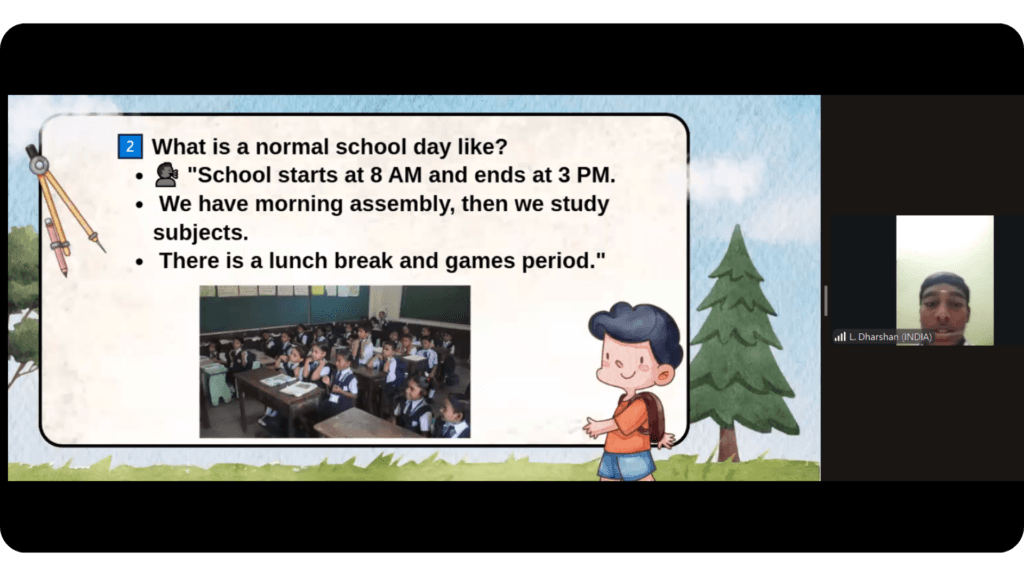 Project ideaMy School, Your School
- Age groups
- 6-8, 9-12, 13-15
- Duration
- 4 weeks
- Language
- Agree with your partner
Teach about cultures with respect
- Go beyond food, flags and festivals. Celebrations are a good start, but also explore values, daily life and how people solve problems.
- Never ask one student to speak for a whole culture. Invite students to share only what they choose.
- Notice stereotypes in materials and in class talk, and discuss them openly.
- Invite families to share stories, languages or skills.
- Choose books and resources that work as mirrors, where students see themselves, and as windows, where they see others.
The idea of mirrors and windows comes from children's literature scholar Rudine Sims Bishop. For a quick check, look at the books, images and examples you used last month. Whose lives do they show, and who is missing?
Frequently asked questions
What are the five dimensions of multicultural education?
James A. Banks names five: content integration, knowledge construction, prejudice reduction, equity pedagogy and an empowering school culture. Together they describe what to teach, how to teach it and how the whole school supports every student.
What is an example of diversity in the classroom?
A class where students speak different home languages, celebrate different holidays or have different abilities and family backgrounds is diverse. Even a class that seems similar includes different experiences and points of view.
How can I teach multicultural education if most of my students share one culture?
Bring in other perspectives through stories and sources from many cultures, and connect your class with a class in another country. A shared project gives students real people to learn with, not only facts to learn about.
Is Class2Class free?
Yes. Class2Class is free for teachers and students.
Start with one small step
Pick one activity from this guide for this week. When your class is ready to meet another culture directly, explore projects that connect your students with a class in another country.