Teaching the SDGs in middle and high school
Teach the SDGs through one question students can investigate, rather than trying to cover all 17 goals in equal depth. Connect it to your subject, choose reliable evidence and help students explain a realistic response. A partner class can add another local perspective.
Last updated
Begin with one question students can investigate
Seventeen global goals can feel like too much for one lesson. You do not need to teach every target at once. Start with a question that connects your subject to something students can observe, research or discuss.
For example, a geography class could investigate access to green space, a science class could examine school water use, or a civics class could ask whose views are included in a local decision. The SDG connection gives the question a wider context.
Explain what the goals are
The Sustainable Development Goals are 17 goals adopted by United Nations member states in 2015 as part of the 2030 Agenda. They address connected social, economic and environmental questions, including poverty, health, inequality, peace and the natural world.
The goals are ambitions with targets and indicators used to assess progress. A target date does not mean a goal has been achieved. When students use a progress figure, ask them to identify its source, year and geographic scope. The official UN goal pages provide a starting point for checking the relevant targets.
Choose the depth that fits your class
- For middle school: use a concrete question, a small set of teacher-selected sources and a clear way to record observations. Ask students to explain what the evidence shows in their own words.
- For high school: add comparison of sources, a relevant indicator or a trade-off between possible responses. Ask who is affected, what is uncertain and whose perspective is missing.
Adjust these starting points to the students in front of you. Both age groups can ask thoughtful questions; the amount of independent research and the complexity of the evidence can differ.
Move from evidence to a proportionate response
- Name the question and explain its connection to one SDG.
- Gather evidence students can check, keeping observation separate from opinion.
- Compare explanations and identify something the evidence cannot answer.
- Propose a realistic response and explain who would need to take part.
- Review what students learned and what they would investigate next.
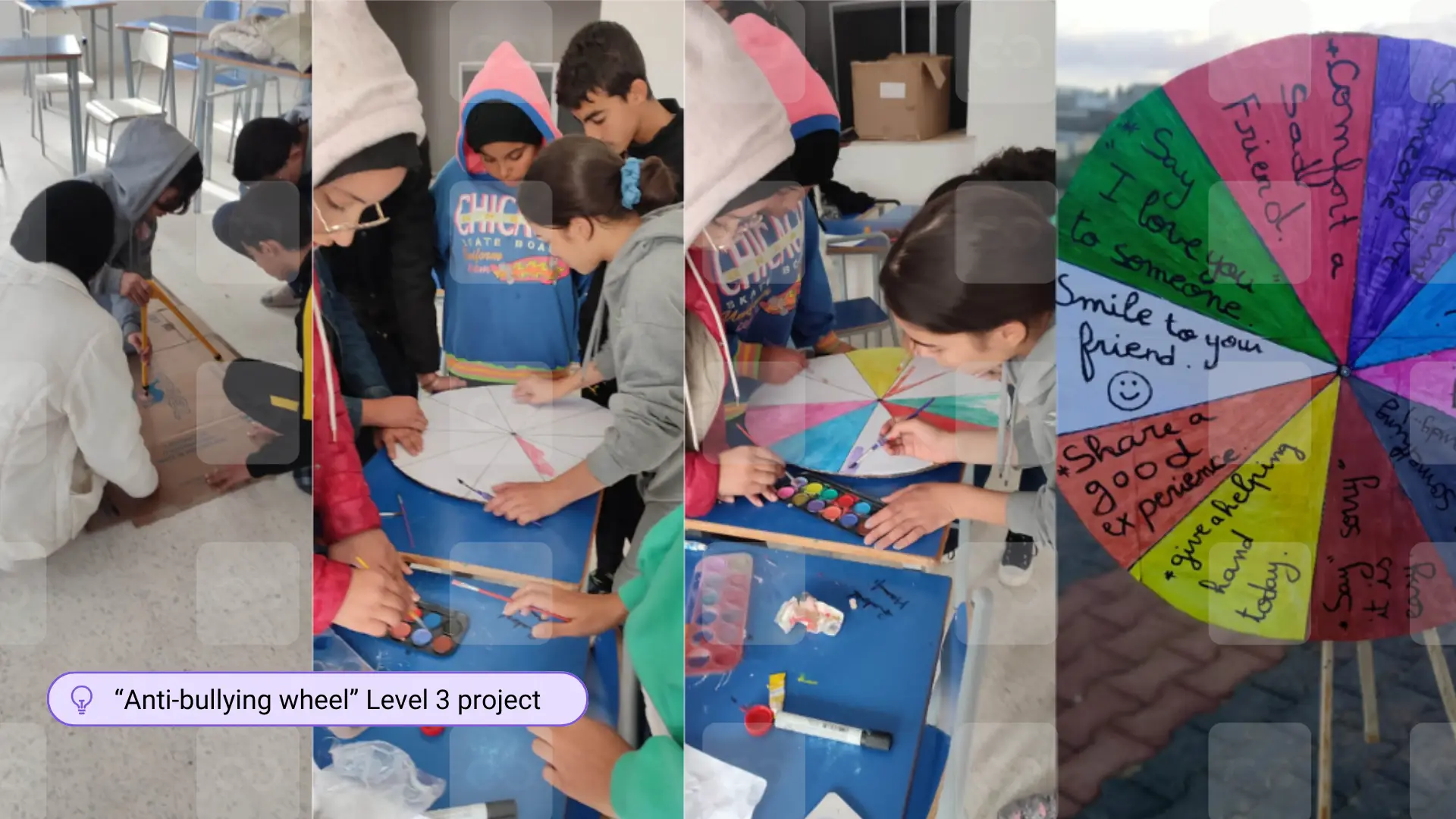
A class might recommend a change to a school routine, make an evidence-based display or present a question to the school community. Completing the activity shows what students did; any claim that it improved the wider problem needs evidence of its own.
UNESCO's education for sustainable development guidance connects knowledge, skills, values and action. Use that broad purpose to plan a lesson while keeping the task and the evidence manageable.
Add another classroom perspective
A partner class can investigate the same question in a different setting. Agree what each class will collect or read, then ask students to compare their findings before proposing a response. Different local conditions may lead to different choices.
Keep the first exchange small enough for both teachers to support. Decide how students will reply to each other and how each class will explain what it learned from the comparison.
Sources
Photograph: CDC / Unsplash.
Choose a question that fits your next unit
Select one goal and a question your students have the time and resources to investigate. Explore a project idea, then adapt the evidence, shared work and reflection with a partner teacher.