How teachers around the world planned a shared sustainability program
On 16 September 2022, high school teachers from Moldova, Tunisia, Romania, Bangladesh, Taiwan, Greece and Peru met online to start the Class2Class learning program. These teachers around the world planned how students would tackle local sustainability challenges and share solutions with partner classes.
Last updated
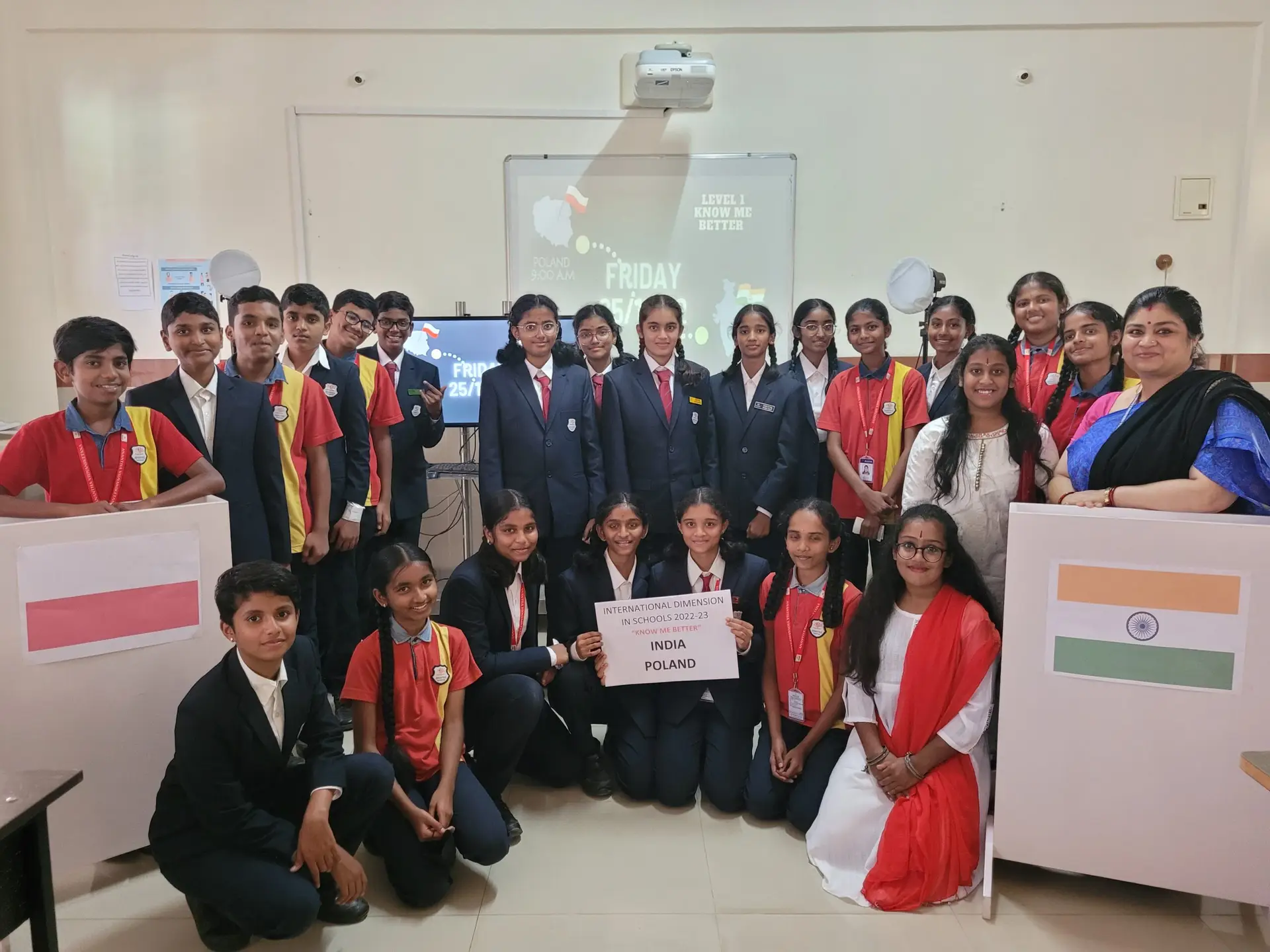
Teachers around the world start a shared program
On 16 September 2022, high school teachers from Moldova, Tunisia, Romania, Bangladesh, Taiwan, Greece and Peru met in an online gathering. They came together to start the Class2Class learning program, which connects high school classes in different countries so they can work on sustainable development projects together.
What the program offered teachers in 2022
The original account describes three things the program gave teachers:
- An index of teachers in other countries who were ready to connect with a partner class
- Lesson plans with activities on sustainability for high school students
- Guidelines for running online meetings between classes in different countries
The account contrasts this with a learning management system. Instead of organising coursework, the program focused on a problem teachers raised: keeping students motivated while they learn something valuable. The platform has changed since 2022, so read this as a record of how the program started, not as a description of its current features.
Why the teachers chose sustainability
The program built on the United Nations Sustainable Development Goals: 17 goals for a fairer and more sustainable world, including an end to poverty and hunger, quality education for all, safe and affordable drinking water and decent work.
The account names the difficulty: learning what the goals are is easy, but involving students in work on them is harder when lessons do not make the topic concrete. Its answer was to work on sustainability through schools, and to connect high school classes in different countries so they could compare their realities.
Five steps for a sustainability project
The teachers planned a simple sequence that students can repeat with each challenge:
- Students identify the challenges their community faces.
- They analyse those challenges and think critically about them.
- They come up with possible solutions.
- They present their solutions to peers, then review what they designed.
- They introduce their solution to the people affected in their community.
Sharing solutions with students around the world
The account adds one extra step: online meetings with students of the same age in other countries. Classes present their solutions, get feedback from peers abroad, improve their ideas and learn about other realities. Students can design solutions anywhere, but the account says the process is more fruitful when they hear how students elsewhere see the same problem.
What the original account records
The 2022 account records the kick-off meeting, the seven countries taking part and the plan for classroom work. It does not report project results, so this page describes how the program was set up, not what students achieved.
Sources
- Class2Class. High school teachers from Asia and Europe meet and kick off world-wide learning program, first published March 9, 2023.
- United Nations. The 17 Sustainable Development Goals.
Start with a challenge in your community
To try this approach, ask students to list three challenges they notice near school, such as litter, water use or safe routes. Have them pick one, find out why it happens and sketch a solution. If you work with a partner class, swap solutions and ask each class for one specific improvement before students present their final idea.
Questions about this classroom project
Which countries took part in the kick-off meeting?
High school teachers from Moldova, Tunisia, Romania, Bangladesh, Taiwan, Greece and Peru took part.
Can students follow the five steps without a partner class?
Yes. One class can identify, analyse and solve a local challenge on its own. A partner class in another country adds feedback from students who see the problem differently.