
Best Practices for Online Learning in K-12 Classrooms
- April 30, 2026
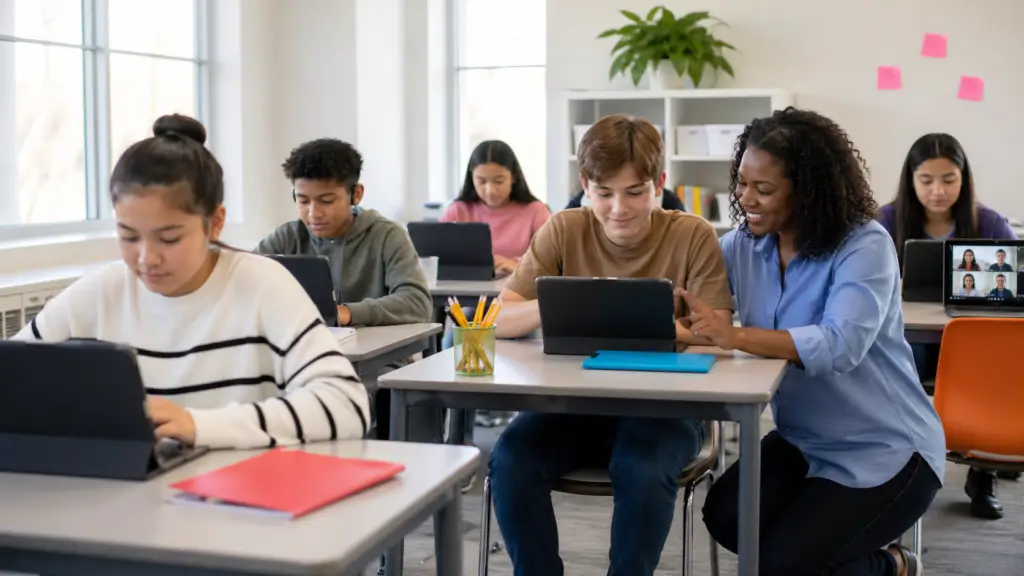
Understanding the Online Learning Landscape
Online learning is becoming an integral part of K-12 education worldwide. However, effectively managing and engaging students in an online environment can be challenging for teachers. Understanding the key elements of successful online instruction can help educators navigate this new terrain more effectively.
Creating a Structured Learning Environment
Structure is essential in an online classroom. A well-organized course layout helps students know what to expect and how to succeed. Create a predictable schedule with clear expectations and consistent formats for assignments and assessments.
- Use a weekly planner to outline assignments and activities.
- Provide clear instructions and deadlines.
- Make use of interactive learning platforms for structure and engagement.
Facilitating Engaging Content Delivery
Engagement is one of the critical components of successful online learning. Utilizing multimedia resources, live lectures, and interactive activities can significantly enhance student attention and motivation.
- Incorporate videos and podcasts to diversify content delivery.
- Use digital platforms to facilitate interactive discussions.
- Encourage student presentations to build engagement.
Promoting Active Learning
Active learning strategies support deeper understanding and retention of material. Encourage students to participate in discussions, group projects, and problem-solving activities, which can be effectively integrated online.
- Integrate collaborative projects that focus on real-world issues.
- Utilize breakout rooms for discussion sessions.
- Explore active learning methods in our classroom guide .
Building an Inclusive Online Community
Creating a sense of community in online settings fosters student engagement and participation. It’s important to establish norms that promote collaboration and support among students.
- Host regular video check-ins to build rapport.
- Encourage students to share experiences and learn from each other.
- Develop collaborative online tools for effective communication.
Ensuring Accessibility and Inclusivity
Accessibility ensures all students can participate equally. Consider different student needs and access to technology when designing course materials and activities.
- Provide materials in multiple formats (text, audio, video).
- Offer support for students with different learning preferences.
- Implement inclusive practices in COIL projects .
Providing Consistent Feedback
Timely and constructive feedback is crucial for student growth. Make use of online tools that allow for continuous assessment and personalized responses.
- Use digital tools for quick and effective feedback.
- Encourage self and peer assessments for diverse feedback.
- Implement feedback loops in the learning process.
How Class2Class Helps
Class2Class supports teachers in implementing these best practices by providing a platform for structured, engaging, and inclusive global learning projects. It’s free and connects classrooms worldwide for collaborative learning experiences.
Getting Started
- Sign up for a free Class2Class account to access resources and projects.
- Explore available COIL projects to bring global perspectives into your classroom.
- Integrate interactive tools from Class2Class to boost student engagement.
- Join a community of global educators to exchange best practices.
Conclusion
Online learning provides an opportunity to expand the educational landscape beyond traditional boundaries. By implementing these best practices, teachers can create a vibrant, inclusive, and effective online learning environment. Consider leveraging Class2Class to connect with educators worldwide and enhance your students’ learning experiences.
Ready to bring this into your classroom? Class2Class connects K-12 teachers in 144 countries — free to use, free to match with a partner classroom, free to launch your first international project.