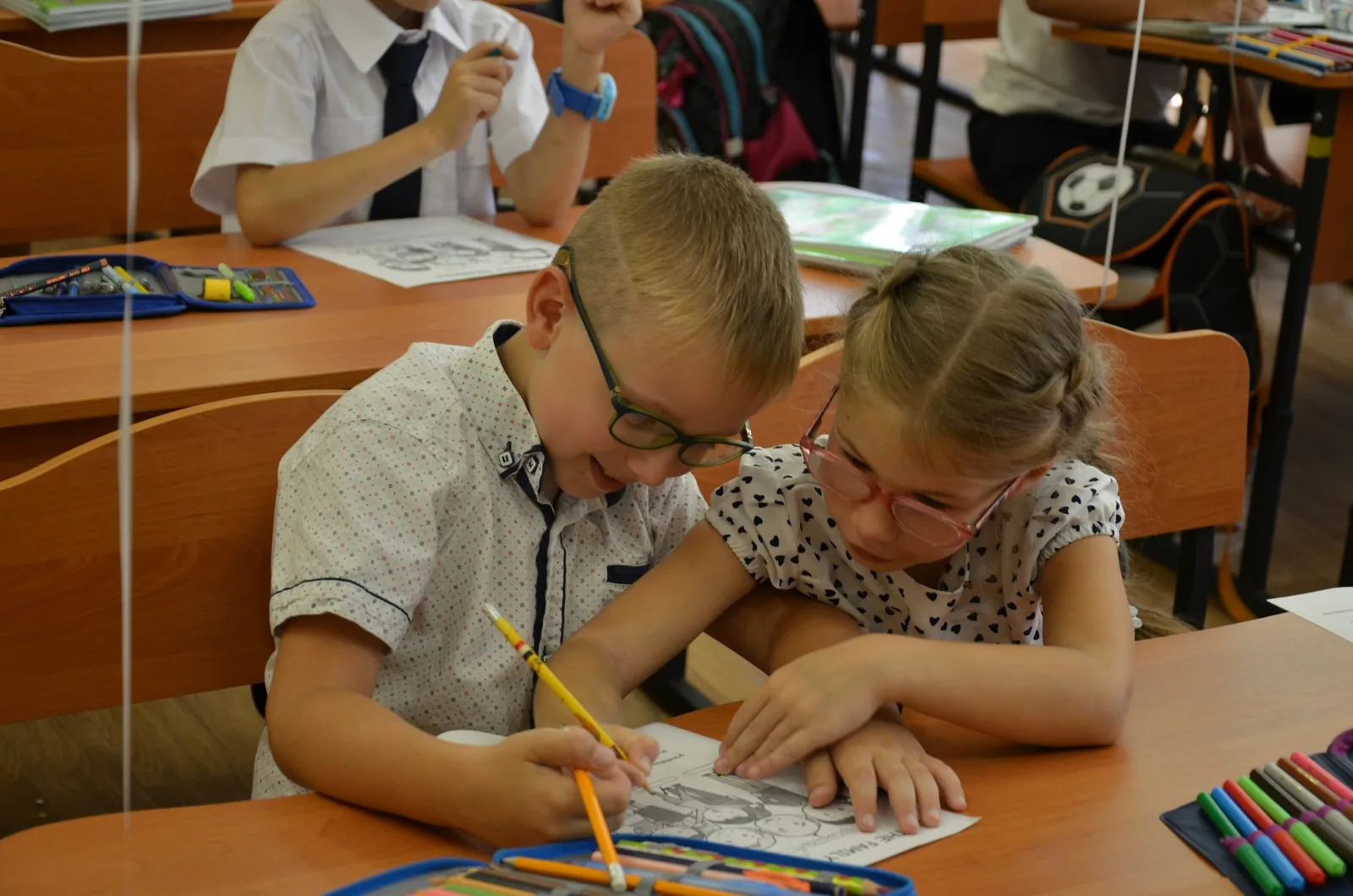
Classrooms around the world: learning from school life
Classrooms around the world differ in space, resources, language and daily routines. Students can learn from these differences by comparing documented examples and asking a partner class about its own experience. Use respectful questions, avoid generalizing about whole countries and reflect on what the replies change.
Last updated
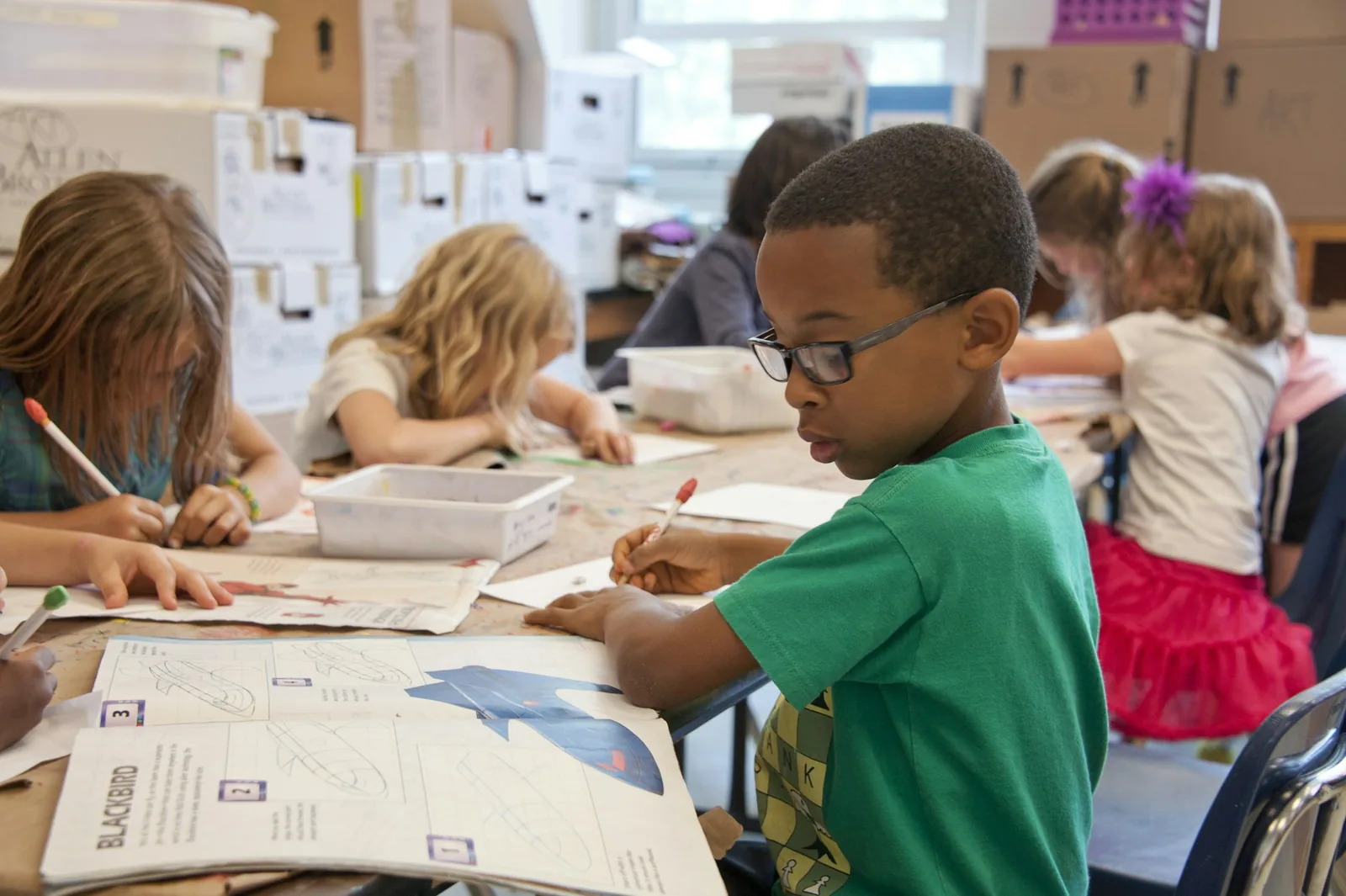
Learn about school life through other classrooms
Classrooms around the world differ in their spaces, resources, languages and daily routines. Inside each one, teachers and students work with the conditions available to them. Exploring those differences gives a class something concrete to ask about, compare and discuss.
A partner classroom adds the voices of students who know their own school. Start with a familiar question: where do you learn, what helps you take part, or what would you change about your school day? Listen to the answers before drawing conclusions about another community.
What do classrooms around the world look like?
The word "classroom" can suggest four walls, desks in rows and a board at the front. But learning spaces vary within countries as well as between them. These documented examples show different settings and responses to local needs.
In Côte d'Ivoire, UNICEF's 2018 report on recycled-plastic classrooms describes a new learning space in Gonzagueville made from plastic waste. The project connected a need for classrooms with a local waste problem.
In Uganda, Denish Kilama's account recalls learning under a mango tree at Mutema Primary School in 1999. He describes attending school during displacement and how learning materials and support shaped his experience.
In Viet Nam, UNICEF's 2023 STEAM festival report describes children trying programming and robotics activities at Phenikaa University. The event brought children, parents and teachers together to explore science and technology.
In Madagascar, UNICEF describes how Sarisambo Lower Secondary School moved from lessons in a town-hall room to dedicated classrooms. Its 2020 account shows why a reliable learning space matters for the school community.
Each setting is shaped by history, policy, geography and resources. Use the examples to ask what supports learning and what makes it harder. A single photograph or school story cannot represent an entire country, and the date matters when describing conditions.
Compare school life respectfully
Invite students to describe their own experience before interpreting someone else's. Avoid ranking schools by a photograph, assuming that every pupil shares the same routine, or treating limited resources as a curiosity. Students can notice an inequality while respecting the people living with it.
- Describe your own classroom. Students can draw a plan or write a short account of where they learn, what materials they use and one part of the school day they enjoy.
- Agree three questions with a partner class. For example: where can you work together, what helps everyone join a lesson, and what would you like to change?
- Exchange and ask a follow-up. Use drawings, short texts or teacher-shared recordings. Teachers check school permissions and personal information before sharing; a drawing can replace a photograph.
- Reflect on the replies. Ask students to name one similarity, one difference and one assumption they revised. Keep unanswered questions for a later exchange.
Why exploring other classrooms matters
The OECD's global competence framework combines knowledge, skills, attitudes and values for understanding global issues and intercultural situations. A school-life exchange can give students a chance to listen, consider another perspective and explain their own context.
Access to these opportunities is unequal. In the PISA 2018 findings summarized by the OECD, advantaged students had more global and intercultural learning opportunities in 32 of the 64 participating countries and economies. This is a finding from that survey, not a current count.
UNESCO's global citizenship education guidance connects knowledge with perspective-taking, teamwork, respect for diversity and responsible action. These aims give the exchange a purpose beyond seeing somewhere unfamiliar. Our global citizenship classroom strategies offer ways to connect them with a subject you already teach.
Give the connection a shared learning purpose
A first introduction can be a useful beginning. A shared task gives both classes a reason to use each other's replies. For example, students could compare how learning spaces support group work, then propose one realistic improvement for their own class.
Collaborative Online International Learning (COIL) is an approach in which teachers plan learning together and students in different places work on shared tasks. Read the COIL guide for the structure behind that collaboration.
Hackett and colleagues (2023) studied COIL with 108 university students in the Netherlands and the United States. The US COIL group improved more than its comparison group on self-reported intercultural competence; the same difference was not found in the Dutch groups. These results do not establish lasting effects for a short school exchange.
Choose a scope that fits both schools. Begin with introductions and questions, develop a shared topic through project-based learning, or investigate a local problem together. Allow time for a partner response and reflection instead of relying on a fixed number of hours. See how Class2Class works for the practical starting steps.
Notice what students practise
The questions students ask, the explanations they revise and their reflections give you evidence to discuss. The Class2Class educational framework identifies eight competencies: intercultural communication, global awareness, collaboration and teamwork, digital literacy, critical thinking and problem-solving, emotional intelligence, adaptability and leadership, and creativity and innovation. Choose a focus that fits the task and look for it in student work; participation alone does not show mastery.
The OECD Learning Compass 2030 includes student agency in its vision of learning. In this exchange, students can help choose the questions, take responsibility for a contribution and reflect on what they learned. Teachers still guide the work and support participation.
Our cross-cultural classroom projects guide gives examples of tasks and skills to observe in a partner-class project.
Plan a first classroom exchange
- Choose a topic that travels. School routines, learning spaces, local weather or community life can connect to your curriculum and give both classes something to contribute.
- Decide on a manageable commitment. Start with one set of questions and a reply if that is what both timetables allow. A longer shared investigation can follow.
- Find a partner teacher. Compare student ages, language, topic and availability, then confirm that both schools can take part.
- Design together. Agree the learning goal, student task, reply dates and sharing arrangements before you begin.
- Give students a role in the exchange. Let them develop questions and explain their findings, with teaching, feedback and adult supervision throughout.
Classes can share work at different times; a live call is optional. The current collaboration FAQ explains the teacher-led process. For a fuller planning guide, see connecting classrooms through a shared question.
Sources
- UNICEF (2018). Turning trash into building blocks for children's futures.
- Kilama, D. (2026). The mango tree and the white coat. UNICEF Uganda.
- UNICEF Viet Nam (2023). STEAM Festival promotes a future-responsive education for all.
- Saholiarisoa, F. (2020). At a school in Madagascar, new classrooms provide new optimism for the future. UNICEF.
- OECD. Global competence. Includes findings from PISA 2018.
- UNESCO. What you need to know about global citizenship education.
- Hackett, S., et al. (2023). The effectiveness of Collaborative Online International Learning (COIL) on intercultural competence development in higher education. International Journal of Educational Technology in Higher Education, 20, 5.
- OECD. The OECD Learning Compass 2030.
- Class2Class. Questions from schools, DPOs and partners.
- Class2Class. Educational Framework.
Bring one school-life question to a partner class
Choose something your students can explain about their own classroom and something they would like to ask another class. Explore a project idea, then agree a small exchange with the partner teacher. The first conversation can give you a shared question to investigate next.