Global perspective in education: start with one shared question
A global perspective in education connects a classroom question with people, evidence and perspectives from another context. Start with a topic in your curriculum, agree one task with a partner teacher and ask students to compare what they learn. Plan support, feedback and a way to check understanding.
Last updated
A class can be busy and still need a clearer reason to use what students are learning. A partner classroom offers someone to explain an idea to, ask about another context and work with on a shared question. Choose an exchange that serves the subject knowledge you are already teaching.
Connect knowledge, people and purpose
Think about three parts of the lesson: what students will know, whose perspective they will meet and who can use their work. Project-based learning can organise inquiry and a product; an international partner can add local evidence and a response to that product.
Students can read about another country and also ask peers how a topic appears in their school or community. Prepare questions and ask students to compare the answers with their sources. Give the audience a useful role, such as asking a question, checking an explanation or contributing an example.
Three ways to bring in another context
Begin with one lesson or task. You can use written, recorded or live exchanges, depending on both classes' access and schedules. These documented examples show different ways to connect students' work.
Give the work an audience
In the Women in STEM project, classrooms in Colombia, India and Ukraine researched women scientists and shared posters and live presentations. Teachers Jhansi, Oksana, Paola and Mily guided the exchange. The case shows a subject task with an audience in other classrooms.
Compare school contexts
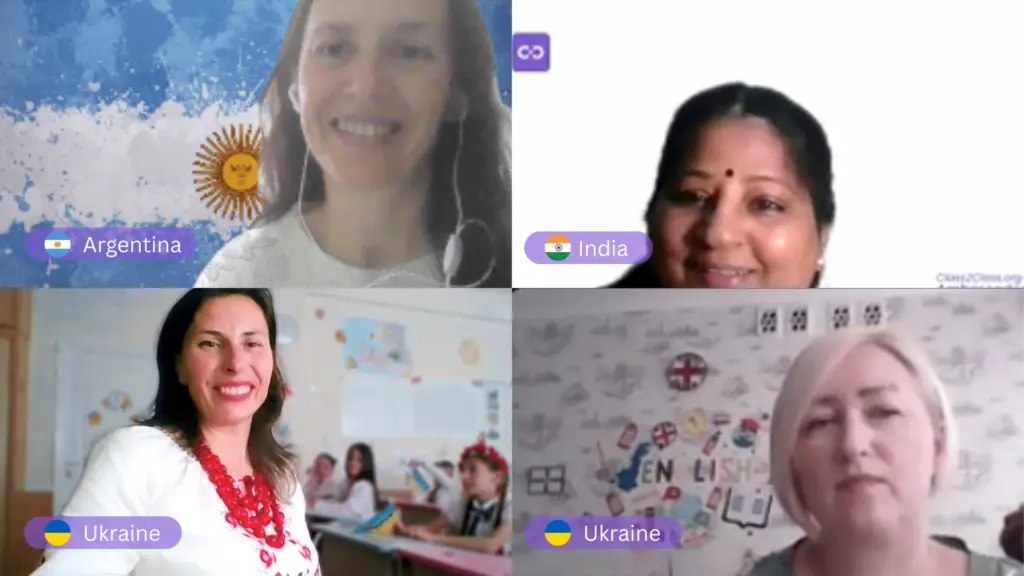
For My School, teacher Gisel Crespo in Argentina organised separate online sessions with teachers in India and Ukraine. Students presented their country, city and school and answered questions. Adapt the idea by asking both classes to explain one school routine, then discuss what they share and what differs.
Investigate a shared challenge
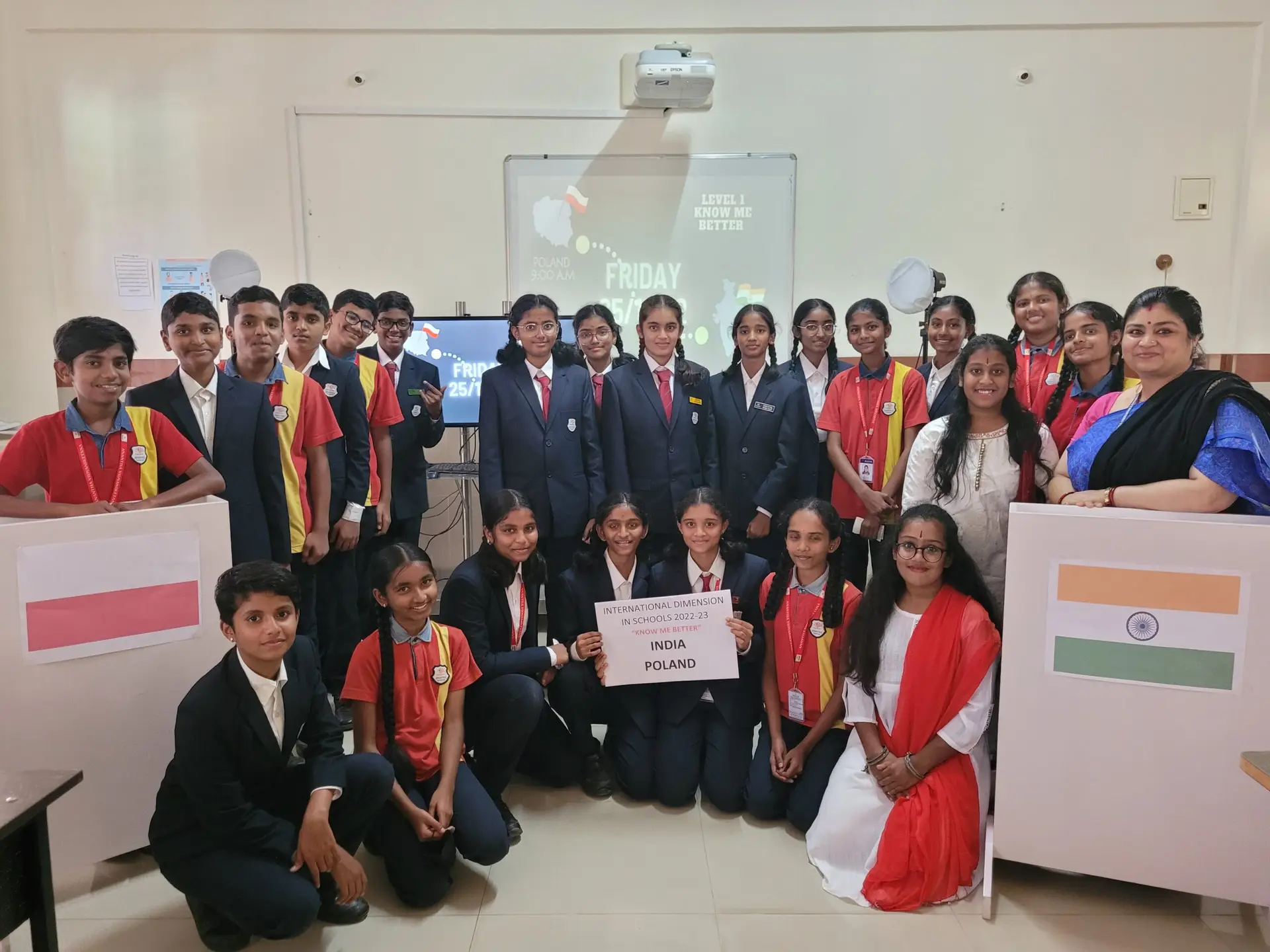
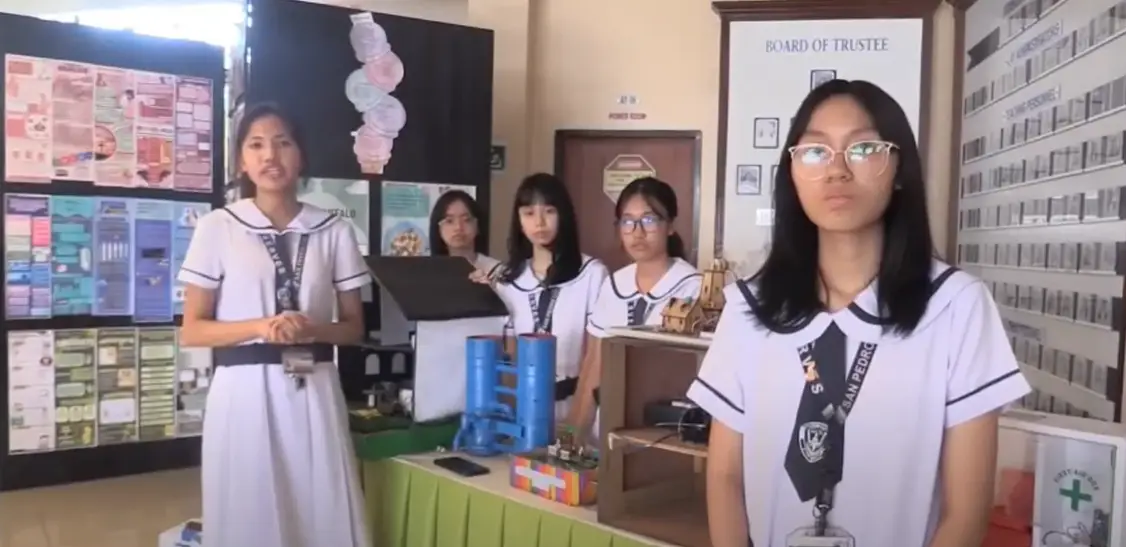
In the Global Water Conservation Challenge, Jhansi Ravikumar connected her class in India with classes in Malaysia and Myanmar. Students presented ideas about water pollution and conservation and took part in a quiz. The shared theme gave each class something to explain and discuss.
A separate international debate asked whether rivers should be connected, including questions about irrigation, transport and flood control. The documented workshop involved students across ten countries. They researched positions, prepared short videos and used evidence and rebuttals in the debate.
Use the Sustainable Development Goals to find a shared theme, such as water, education or gender equality. Choose the goal because it fits a curriculum question, then decide what students can investigate locally and what a partner class can add.
Plan a small first exchange
Choose a topic from an upcoming unit. Agree one question, a small contribution and response dates with the partner teacher. A school introduction or local observation can be enough to try the communication routine before extending the work.
The Class2Class planning model uses four phases: Definition, Execution, Reflection and Dissemination, supported by seven practical steps. Use the first-project guide as a planning reference for the learning goal, exchange, evidence and reflection.
Class2Class describes three approaches: Explore Cultures, Explore Global Challenges and Create Solutions. Choose a cultural question, shared investigation or solution task according to the learning goal. Read an idea's activities, age groups and duration, then agree a realistic scope with the partner teacher.
K-pop Talk offers another starting theme. In the documented four-week project, Tr. Nassim Mia from Bangladesh guided teams researching Korean pop music and sharing performances and presentations. Connect an interest with the subject knowledge students need to explain it to an audience.
The Global Collaboration Essentials hub collects introductory articles and tutorials on planning a first collaboration. Use it to learn about the process and return to the topic you need next.
Guide the exchange and check learning
Plan time for partner communication and student preparation. Teach the knowledge and language the task needs, model respectful questions and give students several ways to contribute. During the exchange, help them explain evidence, check meaning and use feedback.
Afterwards, ask each student what they learned about the subject and the partner context. Compare their explanation with the shared work. Use those responses to decide what to teach next and whether the exchange is ready to grow.
Class2Class is free for teachers and students. The Project Assistant can suggest editable objectives, skills, activities and a timeline. Teachers find and contact partners through Connect and agree the task together.
Frequently asked questions
Do we need a large international programme?
No. Start with one question and a small exchange that fits your curriculum. Agree the contribution, support and response dates with the partner teacher, then review the work before expanding.
Must both classes meet live?
No. You can exchange written or recorded contributions at different times. If a live call is useful, both teachers choose a suitable external video tool and schedule it together.
How do I keep the subject learning clear?
Name the knowledge students need before the exchange. Ask them to explain evidence and what the partner context adds, then check individual understanding alongside the shared work.
Explore a project for your class
Choose one question from your curriculum and explore a Class2Class project idea. Adapt the first contribution and response plan with a partner teacher.