Help students make shared decisions in group tasks
For shared decisions in group tasks, give students a common question, useful contributions and time to compare their findings. Ask the group to explain its choice and each student to show how another person's reasoning helped them check or develop an idea.
Last updated
Notice how the group reaches a decision
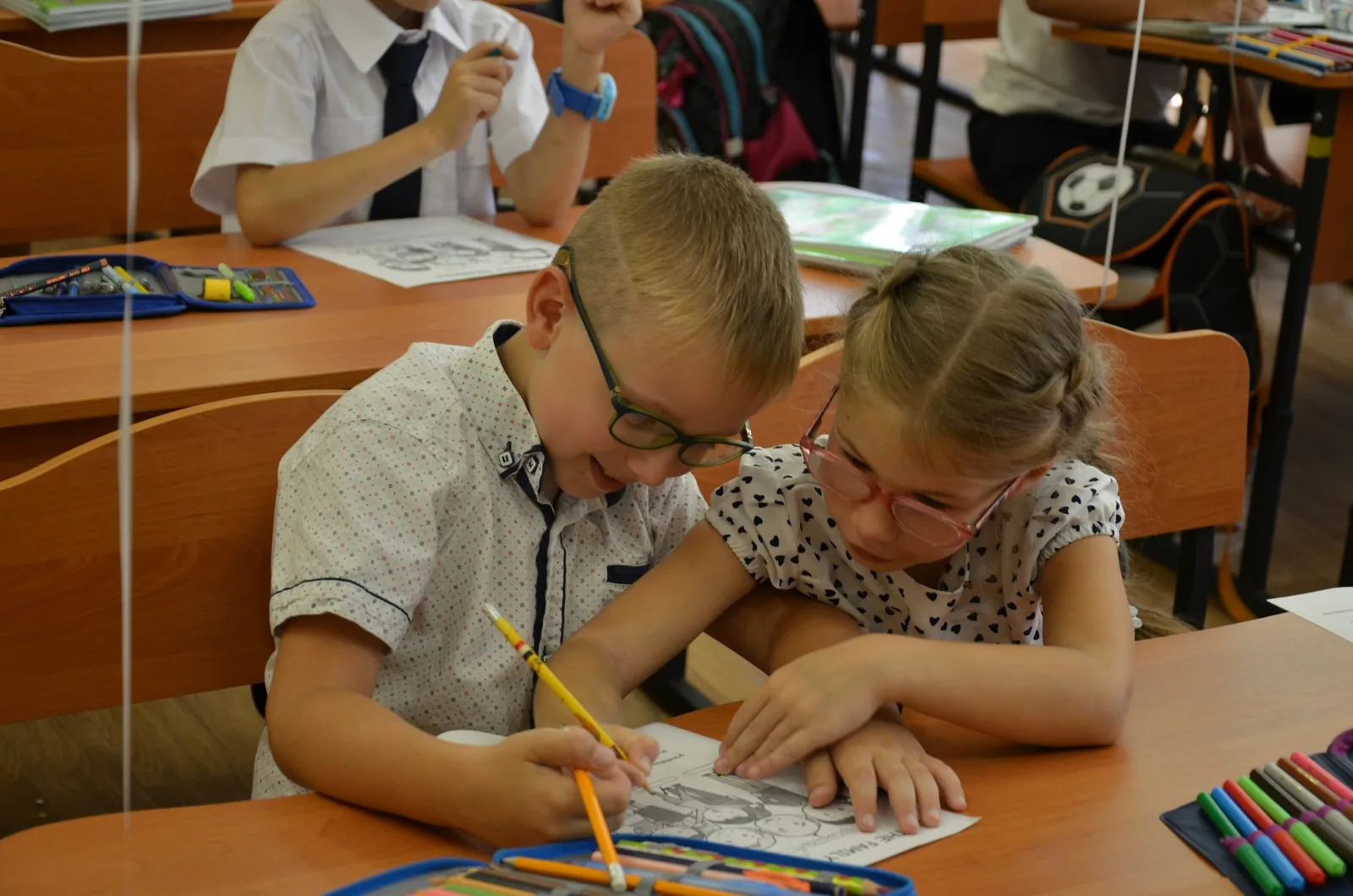
You put students in groups and give them a task. Twenty minutes later, one student is typing while the others watch. Another group has divided the work into separate pieces that someone will assemble at the end. To find out how they are working together, listen to how they compare ideas and make decisions.
Dividing work can be useful. The important next step is bringing contributions together: asking questions, considering each other's evidence and agreeing what the group will say or make. Task design and teacher guidance can make room for that thinking.
What shared decisions can look like
A shared task gives students a reason to use one another's ideas. Positive interdependence means working towards goals that connect their contributions; individual responsibility still matters.
- A student can explain how a classmate's idea helped them check or revise an answer.
- The group compares more than one option before deciding and can give reasons for its choice.
- Students ask questions and build on one another's reasoning.
- Each student can show how their contribution shaped the shared product.
Class2Class names Collaboration & Teamwork among its eight competencies. The framework gives teachers language for coordinating responsibilities and resolving disagreement productively.
Three patterns to look for in group work
One student carries the thinking
One student organizes the ideas, makes decisions and writes the conclusion, while others contribute little to the reasoning. Check whether everyone has a useful responsibility and a way to contribute before the group settles on an answer.
Separate sections are assembled at the end
Students divide the task and complete their own sections, but never compare findings or discuss how the parts fit. Add a point where they must review the evidence together and agree a conclusion.
The group agrees before comparing ideas
Students may settle quickly to avoid disagreement or finish the task. Ask them to consider another option and explain their choice. Make respectful disagreement safe and give them enough time to think.
These patterns can reflect task structure, group habits and the support students need. Review the instructions and opportunities to participate before deciding how to help.
Design a task that needs comparison
Bring different perspectives into one decision
For a suggested water-quality report, give students different perspectives to investigate: environmental data, community impact, local policy and solutions tried in another country. Then ask the group to compare its findings, agree a recommendation and explain a trade-off. The shared decision connects the research instead of leaving four separate sections to compile.
Give collaboration itself a role
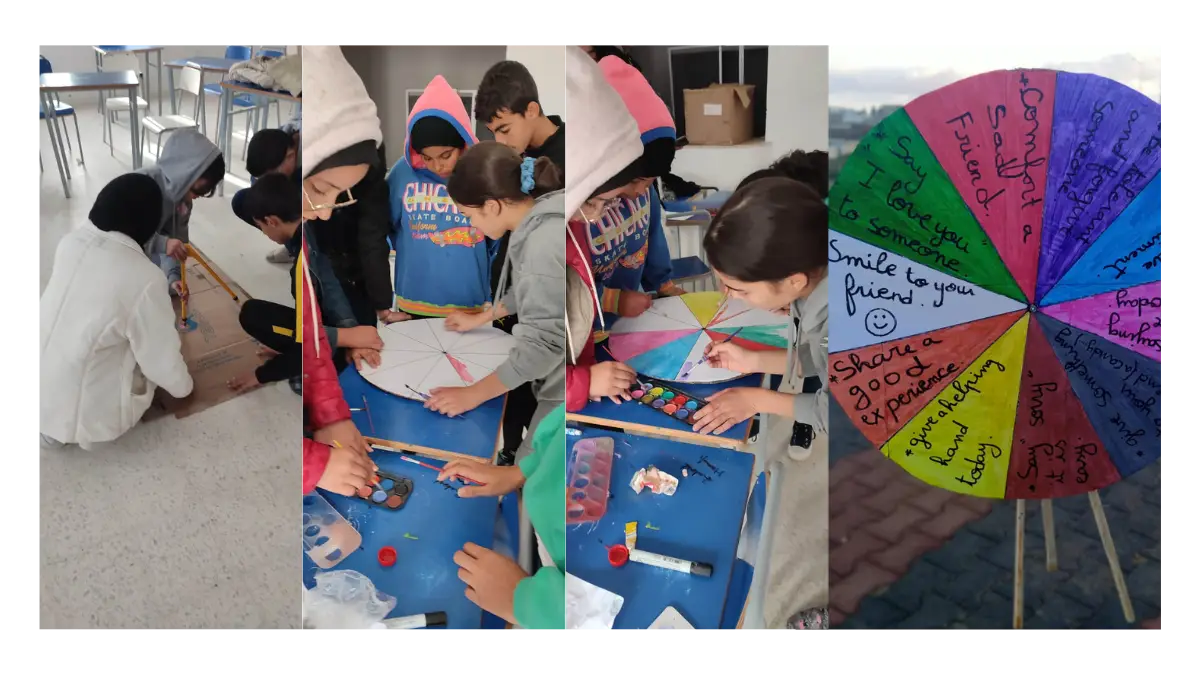
Researcher, editor and presenter roles help organize the work. Add responsibilities such as inviting another student's view, recording a disagreement and how the group resolved it, or checking that quieter members have contributed before a decision. Written ideas or a short partner discussion can also help students prepare a contribution.
Ask for reasons behind a choice
Use questions that invite judgment: "Which solution would work in our school? What would we give up to make it happen? How might this look different in another country?" Ask students to explain why they kept or revised an idea after considering the group's evidence.
Connect classroom decisions with a partner-class project
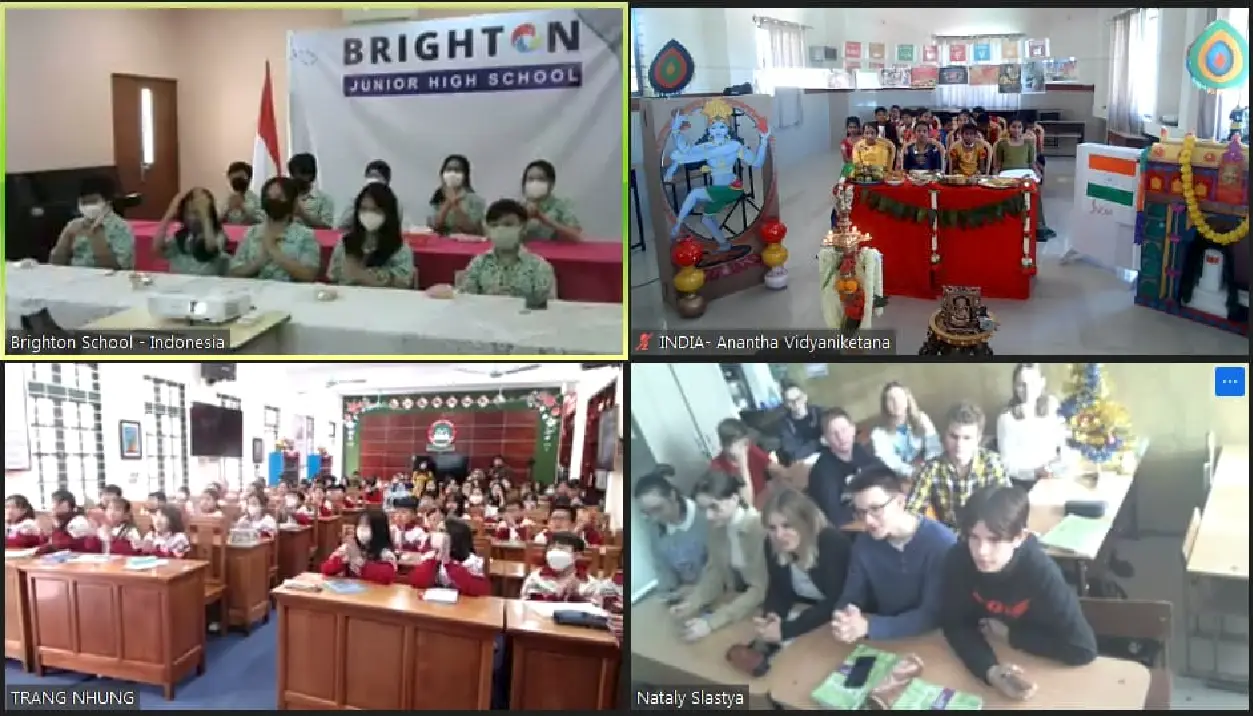
Students can practise shared decisions within their own group and with a partner class. Make both parts deliberate: agree responsibilities, compare contributions and discuss the decisions behind the shared work.
Use the four project-design phases - Definition, Execution, Reflection and Dissemination - to plan where those conversations fit. During the work, students might research a question, design a response and prepare something for their partner class. At reflection, ask what another person's contribution helped them notice.
The guide to a second international project offers practical advice on role cards, a useful product and reflection. Use those suggestions to agree responsibilities and check how students make their shared decisions.
What the research contributes
Xigui Yang's 2023 historical review discusses positive interdependence as one of five elements of cooperative learning, alongside individual accountability, supportive interaction, social skills and group reflection. It offers a useful way to think about task design and the interactions teachers support.
The OECD Learning Compass 2030 places student agency within relationships with peers, teachers, families and communities through co-agency. This framework connects students' decisions with the support and participation of others.
Check the thinking while students work
Choose one group task this week and listen at a decision point. Ask students to show the options they considered, the evidence they used and how contributions affected the choice. Invite each student to explain their part in the reasoning.
For planning process evidence and feedback, use the assessment guide. A finished group product can be one source of evidence alongside discussions, decisions and individual explanations.
Sources
Original article by Ornella Celeste.
- Yang, X. (2023). A Historical Review of Collaborative Learning and Cooperative Learning. TechTrends, 67, 718-728.
- OECD (2019). OECD Learning Compass 2030: Concept Note.
- Class2Class. The 8 C2C Competencies: What They Are and Why They Matter.
- Class2Class. Educational Framework.
- Class2Class. International Collaborative Learning: 3 Amazing Moves.
- Class2Class. How to Implement Class2Class.org.
- Class2Class. Project-based learning: 5 assessment strategies.
Explore a question your class can investigate
Choose a question that gives students something to compare and decide together. Explore Class2Class project ideas and discuss how you could adapt one with a partner teacher.