Student collaboration in the classroom: roles, feedback and conflict
Student collaboration in the classroom needs a task that calls for shared thinking, clear roles, feedback while work can change and a way to handle disagreements. Teach these routines, rotate responsibility and use students' work and reflections to see how each person contributed.
Last updated
Make shared thinking part of the task
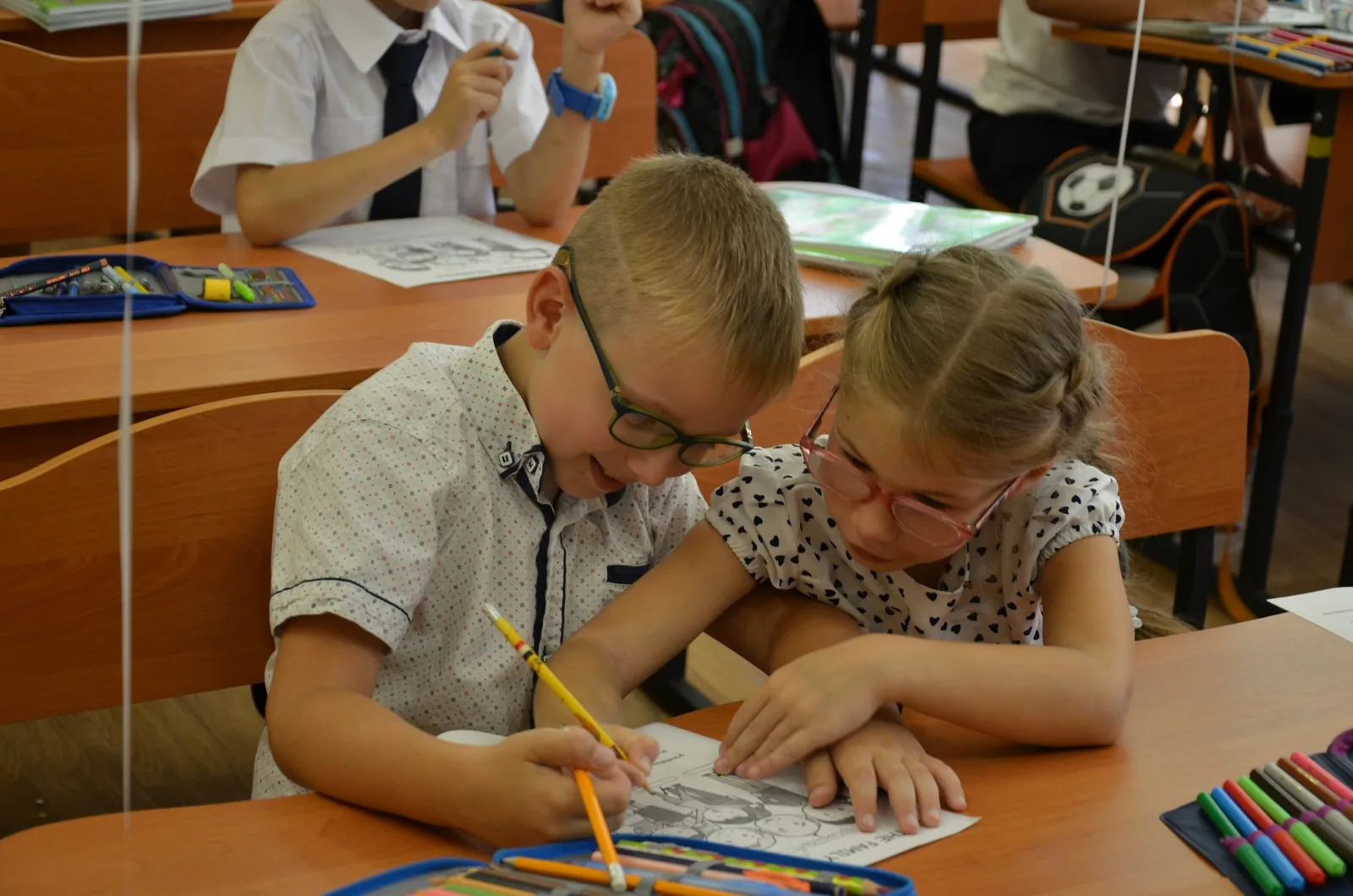
One student can type the whole answer while the rest watch. A group can also divide a task so completely that nobody responds to anyone else's ideas. In both cases, a finished product can hide how little thinking was shared.
Give the group a decision or problem that needs contributions from several people. Ask students to explain a choice, compare evidence or improve a draft together. Then teach the routines that help them do it.
Teach three collaboration routines
1. Rotate roles that help the group work
Roles such as researcher or designer describe part of the product. Add responsibilities that help the group listen, decide and keep moving:
- Moderator: invites each person to contribute before a decision.
- Note-taker: records the decision and each person's next task.
- Feedback lead: asks for another view or a question about the work.
- Progress checker: notices a task that is stuck and asks what support is needed.
Rotate these roles across sessions so students practise different responsibilities. Make the roles visible and model what each one sounds like. Adapt the number of roles to the group, and check that having a role does not excuse someone from understanding the shared task.
The Class2Class competencies guide describes collaboration and teamwork. Use it to discuss what a helpful contribution looks like, then choose a few things students can actually observe.
2. Give feedback while work can change
Schedule a response before the final deadline. Ask groups to identify one strength and one useful suggestion, with a detail from the work. For example: "Your table makes the two places easy to compare. Could you explain when each set of observations was collected?"
Model short stems such as "I notice...", "I value..." and "I suggest...". Give the receiving group time to decide what it will change and why. Feedback should concern the work and be clear enough for a partner learning the language.
A quick team journal can record the feedback, the agreed change and any question for the teacher. This makes contributions easier to discuss without turning every interaction into a score.
3. Agree what to do when ideas clash
Rehearse a short conversation before a disagreement interrupts the task:
- Describe the issue without blame: "I did not get to explain my idea."
- Ask for the other view: "How did you understand the task?"
- Agree one next step: "Let's compare both ideas against our criteria."
Give students time to listen and ask for teacher help when they need it. A brief routine may help with a task disagreement; hurtful behaviour, bullying or safeguarding concerns need the school's response and should not be left for pupils to resolve alone.
Use the routines across the project
- Definition: agree the question, roles, decision process and criteria.
- Execution: exchange drafts, give feedback and check how the group is working.
- Reflection: discuss a contribution, a difficult moment and a change the group made.
- Sharing: present the result and explain what the group learned from working together.
The practical teacher guide offers activities for these phases. For more on designing a task that needs shared thinking, see What real collaboration means.
Use research as guidance, then check your class
Condliffe and colleagues' 2017 review highlights the demands of project-based learning and the importance of teacher support. It describes the evidence as promising but not proven, so it does not justify a guaranteed result from any single group-work routine.
The OECD Learning Compass describes student agency and supportive relationships around shared goals. Yang's 2023 historical review explains collaborative and cooperative learning, including the roles of interdependence and individual responsibility. These sources help frame the work; use your class's contributions and explanations to assess what students learned.
Sources
Condliffe et al. (2017), Project-Based Learning: A Literature Review. OECD (2019), Learning Compass 2030 concept notes. Yang, X. (2023), A Historical Review of Collaborative Learning and Cooperative Learning.
Frequently asked questions
Should students keep the same role throughout a project?
Usually it is useful to rotate roles across sessions so students practise different responsibilities. Adapt the plan to the class and offer support. Every student should still understand the shared task.
What if the group cannot resolve a disagreement?
Ask the teacher for help. Return to the task, listen to each view and agree a manageable next step. Hurtful behaviour or safeguarding concerns need adult attention through the school's normal procedures.
Try the routines with a shared classroom task
Choose one project idea and a decision students need to make together. Agree the roles, a feedback point and a reflection question before they begin, then adapt the routines to what you observe.