Global classroom: what it means and how to start one
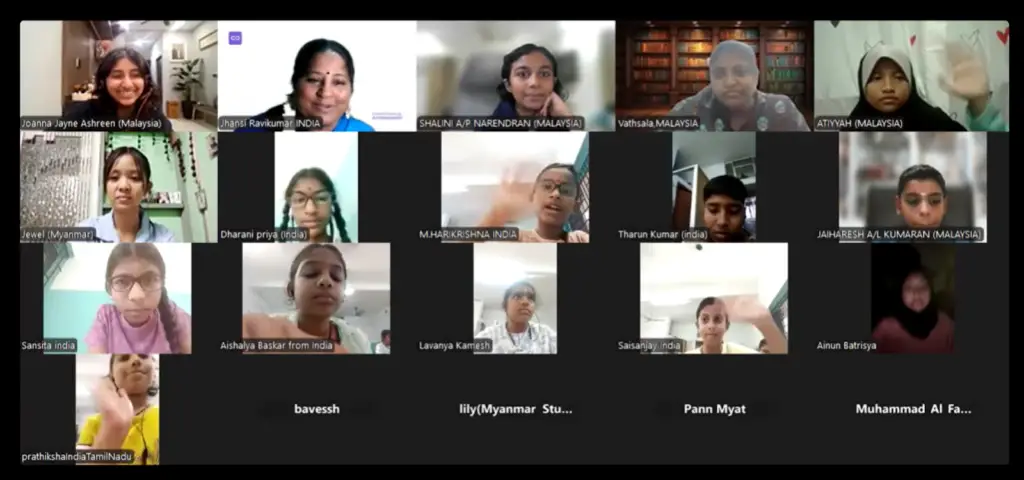
A global classroom is a class that learns together with students in other countries. Teachers connect their classes online, plan shared activities and let students exchange ideas and work, live or at different times. It brings other perspectives into everyday lessons without anyone travelling.
See how to startLast updated
A global classroom makes the world part of your lesson. Instead of only reading about other countries, students learn with people their own age who live there. This guide explains what a global classroom is, what it looks like, why it helps students and how to start one with a partner class.
What is a global classroom?
A global classroom is a class that learns together with students in other countries. The teachers connect their classes online, agree on a topic and plan activities both groups do together. Students exchange ideas, questions and work, and see a familiar subject through someone else's eyes.
You may also hear globalized classroom, online global classroom or international classroom. They describe the same idea: learning that crosses borders while students stay in their own schools. Global classrooms often use methods such as virtual exchange and collaborative online international learning (COIL).
Ways to run a global classroom
A global classroom can be one lesson or a whole school year. These are the most common formats, from the shortest to the longest.
Swipe horizontally to see all columns
| Format | What happens | Time needed |
|---|---|---|
| One-off video call | Two classes meet once to introduce themselves or ask each other questions | One lesson |
| Pen pal exchange | Classes exchange letters, videos or class work, shared through their teachers | A little time each week for a few weeks |
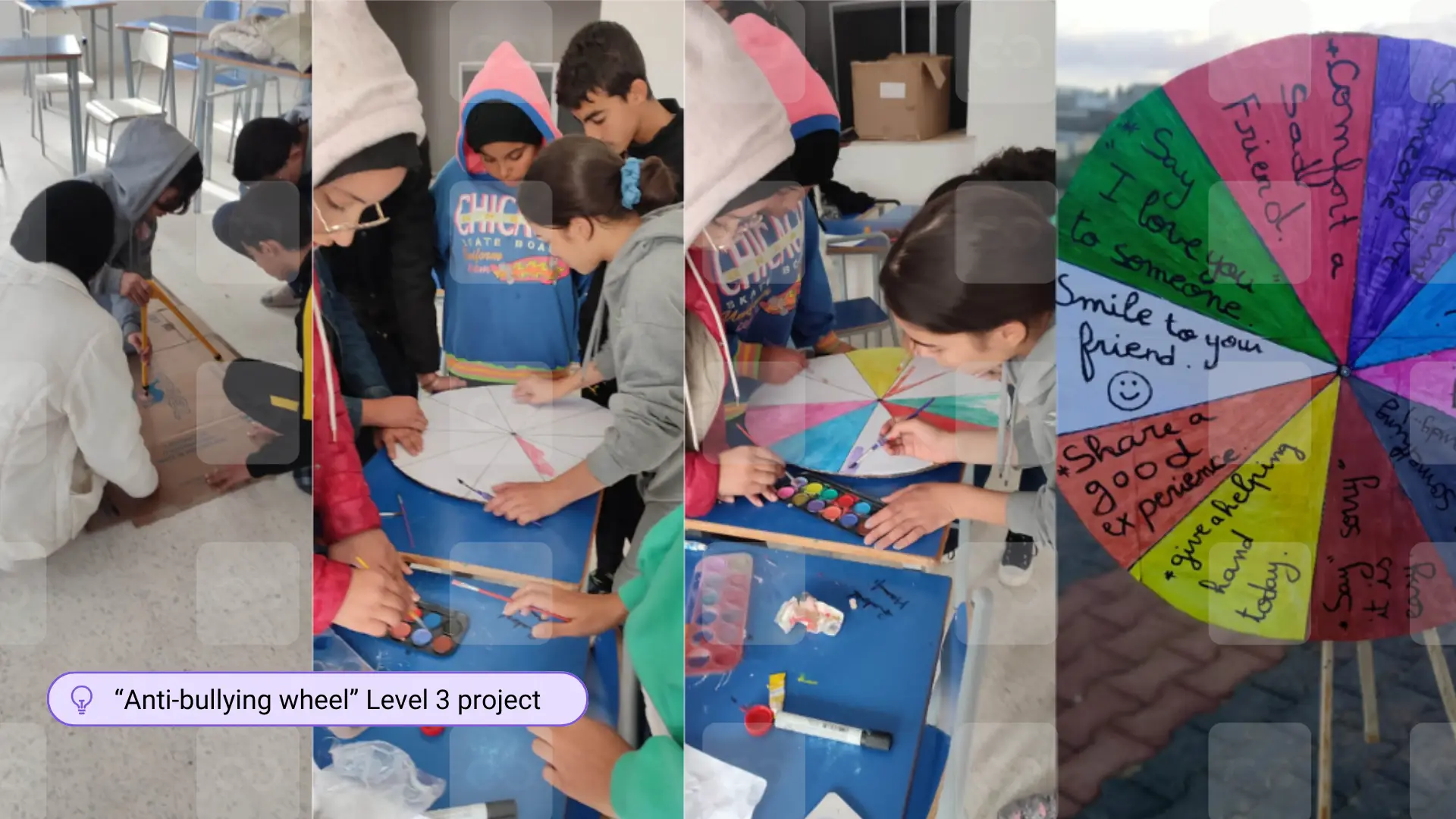
| Shared project | Two or more classes work on one question and create something together | Usually three to six weeks |
| Ongoing partnership | The same classes or schools run new projects every term or year | A school year or more |
Many teachers start with a short shared project. If it works well, they keep the partnership and plan the next project together.
Examples of global classrooms
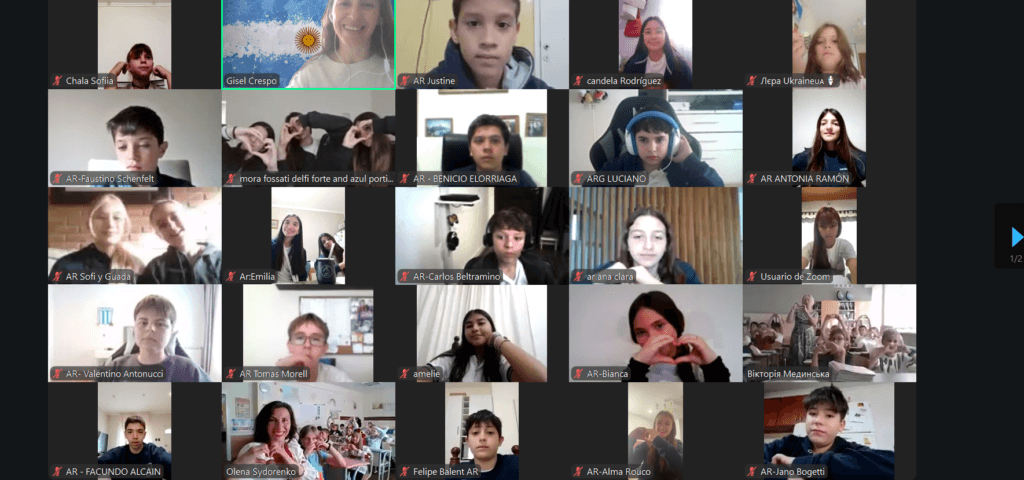
In the My School project, a teacher in Argentina connected her class with classes in India and Ukraine. Each class prepared a presentation about its country, its city and its school, then the classes met online to share it. Students practised their English and learned a few words of each other's languages.
In Climate Chats, 7th graders at a school in the United States connected with peers from six countries to explore the global impacts of climate change, and shared what they learned in a podcast.
Why a global classroom helps students
When the work is well planned, a global classroom gives students regular practice in:
- Perspective: seeing that people their age live, learn and think differently.
- Communication: explaining ideas clearly to people who do not share their language or background.
- Motivation: doing work for a real audience that is waiting for it.
- Global citizenship: working on issues that matter in both communities.
- Digital skills: planning, sharing and giving feedback online, with their teacher's guidance.
These are skills students practise, not guaranteed results. To understand the idea behind them, read what global citizenship means for teachers.
What you need to start
- A partner teacher whose students are a similar age.
- A topic that fits both curricula, such as daily life, the environment or a book.
- A shared space for the classes' work, where teachers can see everything that is shared.
- A simple timeline: three to six weeks is enough for a first project.
- Agreed safety rules: first names only, no contact details and a clear way to report a problem.
To find a teacher, see how to find a partner classroom in another country. For the full process, follow the five steps of a global collaboration.
How to start a global classroom
- Choose a topic your students care about and that fits your curriculum.
- Find a partner class and agree on goals, a timeline and a shared language.
- Start with introductions, so students know who they are working with.
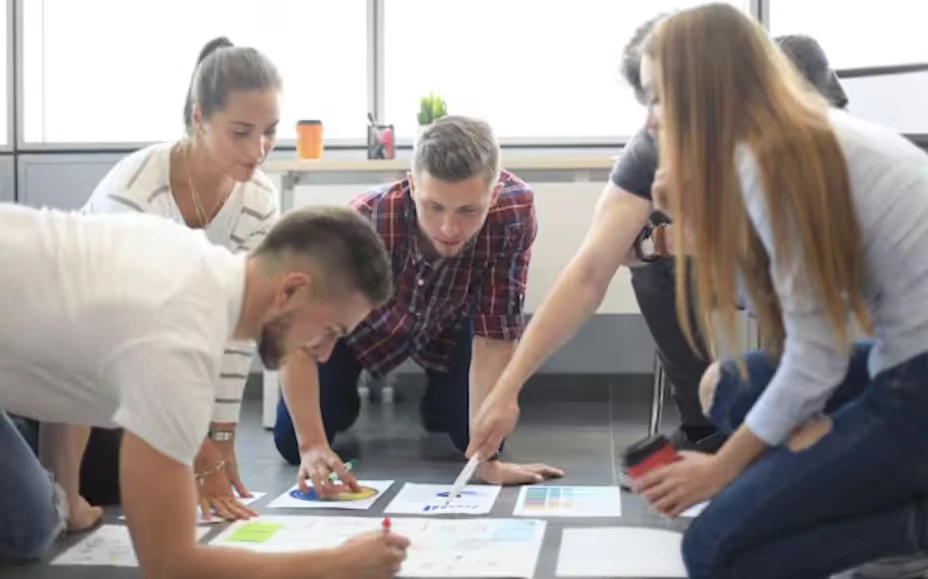
- Work on a shared question, live or at different times.
- End with a presentation, a reflection and a small celebration.
On Class2Class, teachers find a partner class by subject, students' age, language and interests, and choose a ready-made project to run together. Class2Class is free for teachers and students.
Ready-made projects for a global classroom
 Project ideaWater Warriors: Global Solutions for Local Water Challenges
- Age groups
- 6–8, 9–12, 13–15
- Duration
- 4 weeks
- Language
- English
 Project ideaYouth-Led Solutions for a Better World
- Age groups
- 13–15, 16–18, 18+
- Duration
- 4 weeks
- Language
- English
 Project ideaCultural Connections: Celebrating Diversity Through Storytelling
- Age groups
- 6-8, 9-12, 13-15
- Duration
- 4 weeks
- Language
- English
Frequently asked questions
What is the meaning of a global classroom?
A global classroom is a class that learns together with students in other countries, usually online. Students exchange ideas and work and see topics from more than one perspective.
What is a globalized classroom?
It is another name for a global classroom: a class whose learning connects with people and issues beyond its own country.
Does a global classroom need live video calls?
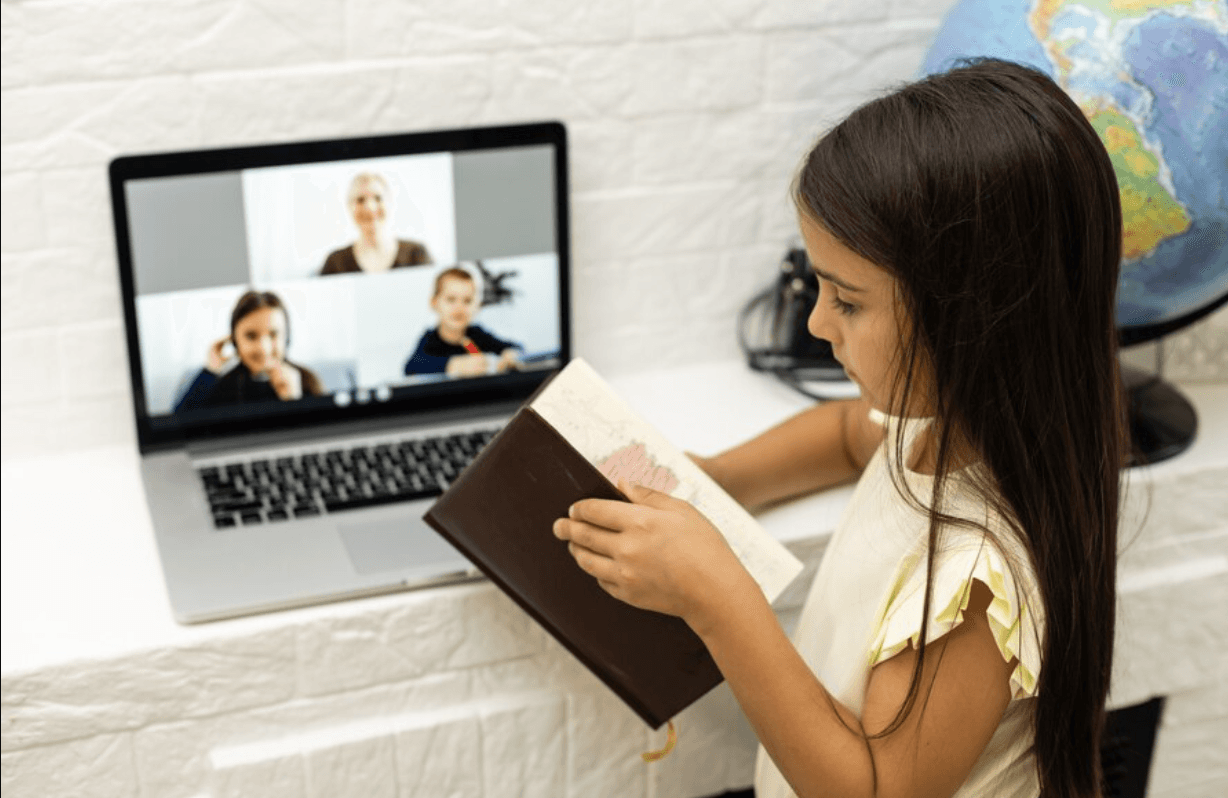
No. Many classes post their work and reply in their own lesson time, which helps across time zones. A live call can open or close a project.
Is Class2Class free?
Yes. Class2Class is free for teachers and students.
Bring the world into your classroom
Pick one topic, find a partner class and start small. A few weeks of learning with another country can change how students see their own lessons.