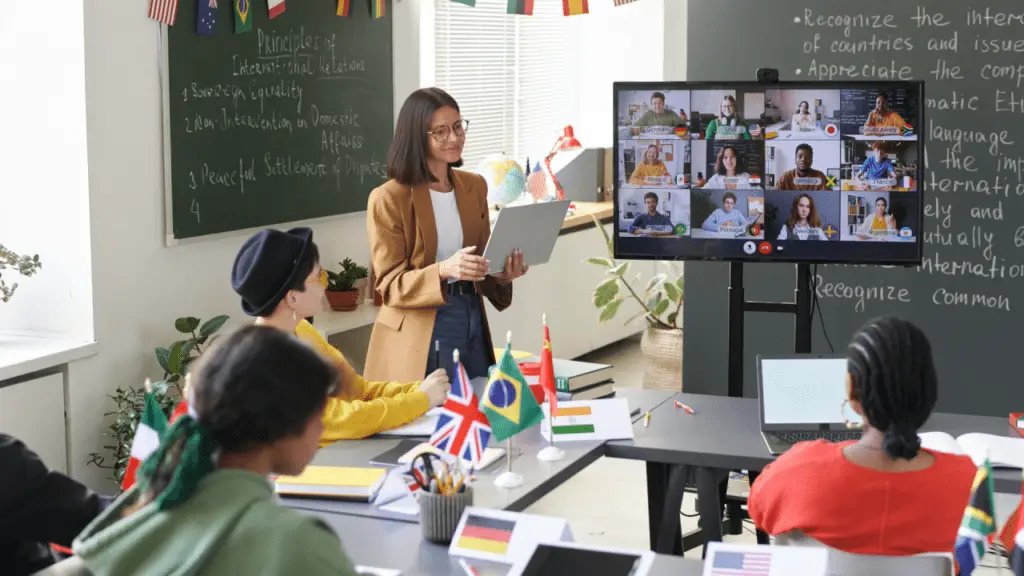
In our globally connected community, the classroom is no longer confined by physical boundaries. Virtual international collaboration has emerged as a transformative tool, offering educators and students alike the opportunity to engage with peers across the globe. At Class2Class, we believe in the power of these connections to foster global citizenship, enhance cultural understanding, and empower students as global citizens in an interconnected world.
The Transformative Power of Virtual International Collaboration
The landscape of education is rapidly evolving, and with it, the skills our students need to thrive in a globalized world. Virtual international collaboration isn’t just a trendy buzzword; it’s a crucial component of modern education that offers numerous benefits for both teachers and students. By embracing this approach, educators can create meaningful, authentic learning experiences that prepare students for the challenges and opportunities of the 21st century.
Broadening Cultural Horizons Through Global Connections
One of the most significant advantages of virtual international collaboration is its ability to expose students to diverse cultures and perspectives. Through real-time interactions with peers from different countries, students gain firsthand experience of cultural diversity, fostering empathy and understanding that goes beyond what textbooks can offer. This direct exposure helps break down stereotypes and builds a foundation for global citizenship.
For example, a Class2Class project connecting students in Japan and Brazil allowed participants to explore each other’s traditions, daily lives, and societal norms. Students from both countries shared virtual tours of their schools, discussed local customs, and even exchanged recipes for traditional dishes. This immersive experience not only broadened their cultural horizons but also helped them recognize the shared values and experiences that unite us across borders.
Enhancing Language Skills in Authentic Contexts
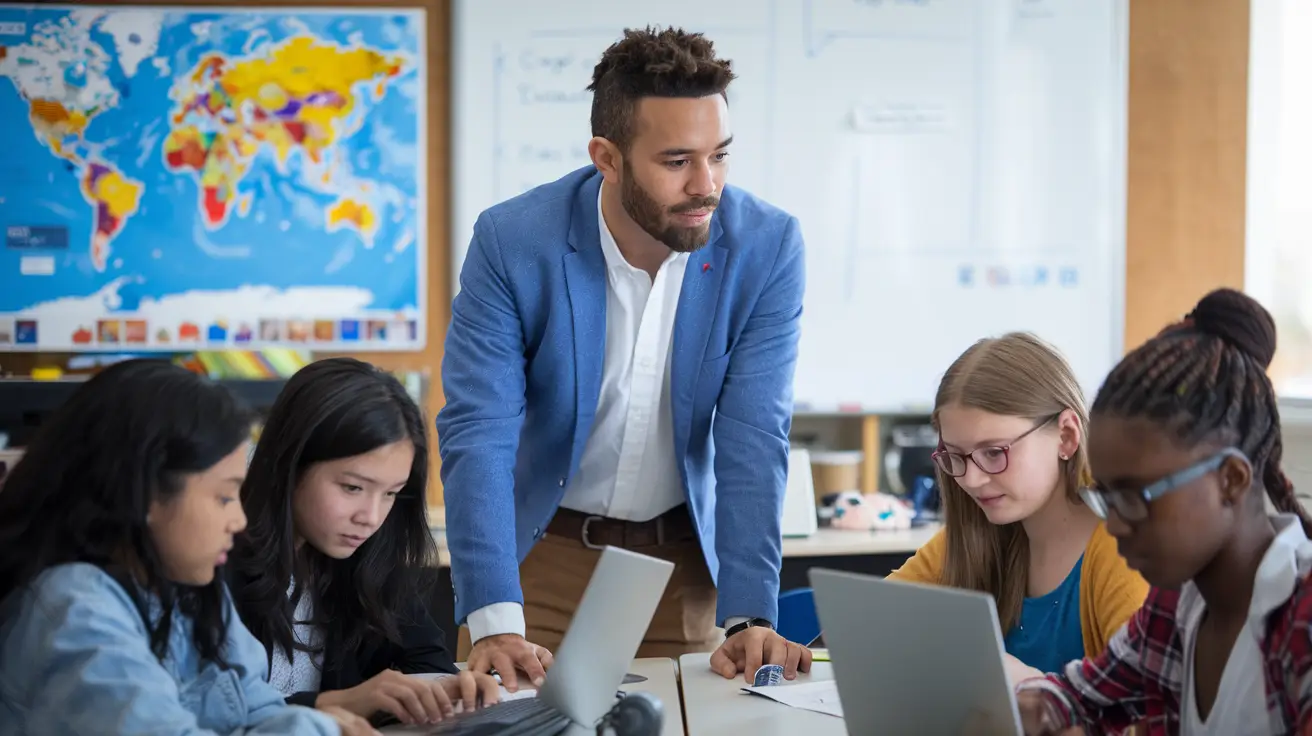
Virtual international collaboration provides an authentic context for language learning, offering students the opportunity to practice and improve their language skills in real-world scenarios. By engaging with native speakers, students can enhance their fluency, build confidence, and develop a deeper understanding of colloquialisms and cultural nuances that are often difficult to grasp in traditional language classes.
A teacher from Spain shared her experience with Class2Class: “My students’ English skills improved dramatically after collaborating with a class in Australia. The motivation to communicate effectively with their new friends drove them to practice and learn in ways I hadn’t seen before. They were no longer just memorizing vocabulary; they were using language as a tool to build genuine connections and share ideas.”
Developing Essential 21st Century Skills
In today’s global job market, skills like digital literacy, cross-cultural communication, and collaboration are increasingly valuable. Virtual international collaboration naturally fosters these competencies, preparing students for future careers in a globalized economy. Through Class2Class projects, students learn to navigate digital platforms for communication and collaboration, adapt to different communication styles and cultural norms, manage projects across time zones and cultural boundaries, and think critically about global issues from multiple perspectives.
For instance, a collaborative project between students in India and Canada focused on sustainable urban development. Students used various digital tools to research, communicate, and present their findings. They learned to navigate time zone differences, overcome language barriers, and synthesize diverse perspectives into cohesive project proposals. These experiences not only enhanced their subject knowledge but also equipped them with the soft skills essential for success in the global workplace.
Bringing Real-World Relevance to Learning
Virtual international collaboration allows teachers to create authentic, project-based learning experiences that connect curriculum content to real-world issues. This approach increases student engagement and helps them see the relevance of their studies to the broader world. By aligning projects with the UN Sustainable Development Goals (SDGs), Class2Class ensures that students are not only learning but also contributing to global efforts for positive change.
For example, a collaborative project on climate change (SDG 13: Climate Action) between classes in Canada and India not only reinforced scientific concepts but also highlighted the global nature of environmental challenges and the importance of international cooperation in addressing them. Students collected local climate data, shared their findings, and worked together to develop innovative solutions applicable to both regions. This hands-on, real-world approach to learning deepened their understanding of complex global issues and inspired many to become advocates for environmental sustainability in their communities.
Professional Growth and Innovation for Educators
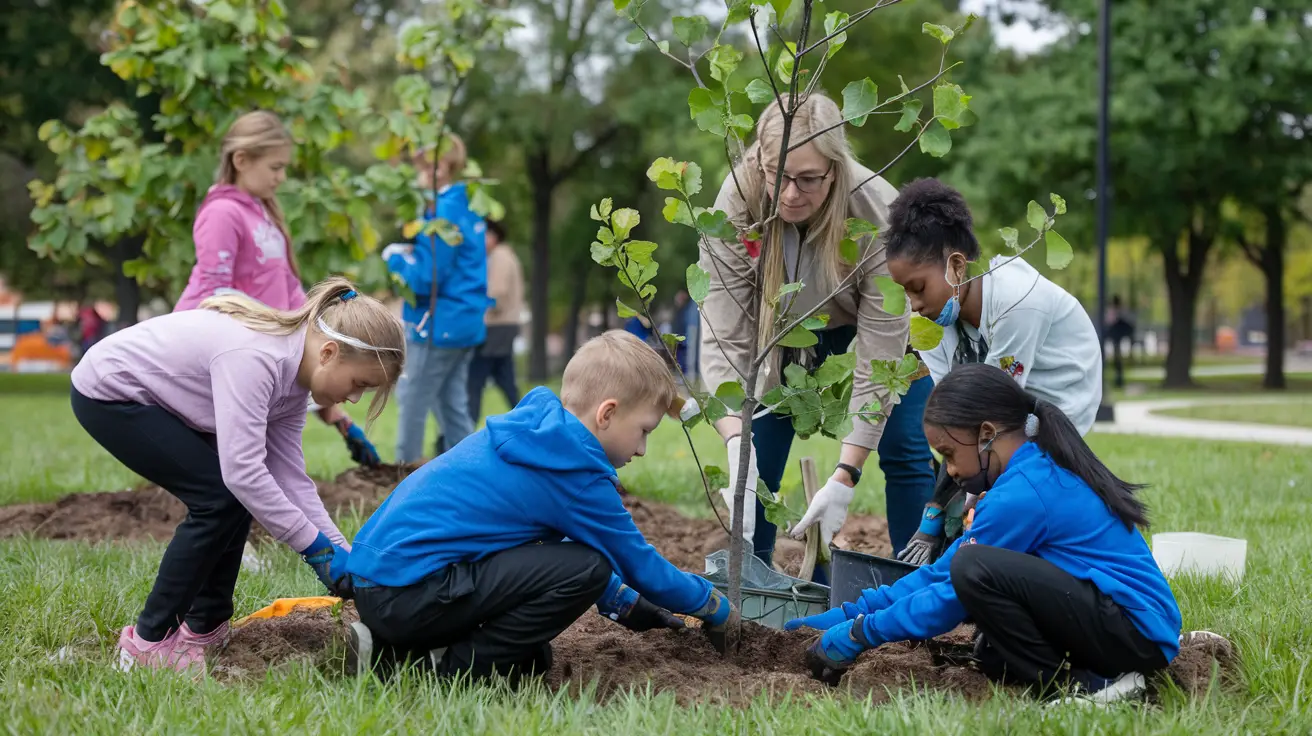
It’s not just students who benefit from virtual international collaboration . Teachers who engage in these projects often report significant professional growth and renewed enthusiasm for their work. Collaborating with colleagues from different educational systems exposes teachers to new pedagogical approaches, curriculum ideas, and classroom management strategies. This cross-pollination of ideas fosters innovation and helps educators stay current with global best practices in teaching.
A teacher from the United States reflected on her experience with Class2Class: “Working with a teacher in Kenya opened my eyes to different ways of approaching STEM education. I’ve incorporated some of their hands-on methods into my own teaching, and my students love it! This collaboration has not only enriched my teaching practice but has also reignited my passion for education.”
Embarking on Your Virtual International Collaboration Journey
Starting your first virtual international collaboration project might seem daunting, but Class2Class makes it easier than ever. Our platform is designed to guide you through each step of the process, from finding a partner classroom to implementing your collaborative project. Here’s how you can get started:
- Define Your Goals: Determine what you want your students to gain from the collaboration. Is it cultural exchange, language practice, or exploring a specific subject area aligned with the SDGs?
- Find a Partner Class: Use Class2Class’s intuitive matching system to find a partner classroom that aligns with your goals, schedule, and preferred collaboration level.
- Plan Your Project: Work with your partner teacher to design a project that meets both classes’ curriculum needs and interests. Our platform provides templates and resources to help you structure your collaboration effectively.
- Prepare Your Students: Introduce the concept of virtual collaboration to your students and set clear expectations for communication and behavior. Class2Class offers resources to help students develop digital citizenship skills and cultural sensitivity.
- Facilitate the Collaboration: Guide your students through the process, encouraging reflection and helping them navigate any challenges that arise. Our platform’s built-in tools make it easy to manage communication, share resources, and track progress.
- Reflect and Evaluate: After the project, reflect with your students on what they’ve learned and how they can apply these insights in the future. Class2Class provides assessment tools to help you measure the impact of your collaboration.
Overcoming Challenges in Virtual International Collaboration
While the benefits of virtual international collaboration are numerous, it’s important to acknowledge that challenges can arise. Time zone differences, technology issues, and cultural misunderstandings are common obstacles. However, with proper planning and support, these challenges can be transformed into valuable learning experiences.
Class2Class provides comprehensive resources and support to help teachers navigate these challenges, including:
- Best practices for managing time zone differences and scheduling collaborative sessions
- Troubleshooting guides for common technology issues and alternative communication methods
- Cultural sensitivity training materials to prevent and address misunderstandings
- Ongoing support from our community of experienced educators who have successfully implemented international collaborations
By addressing these challenges head-on, teachers can create resilient, adaptable students who are prepared to navigate the complexities of our interconnected world.
The Lasting Impact of Virtual International Collaboration
The long-term impact of virtual international collaboration extends far beyond the classroom. Students who participate in these projects often report increased empathy, better understanding of global issues, and greater motivation to engage in international experiences in the future. These experiences shape students’ worldviews and inspire many to pursue careers or studies with a global focus.
A student who participated in a Class2Class project shared, “After working with students from South Africa on a project about water conservation, I realized how interconnected our world really is. It made me want to study environmental science and find ways to make a global impact. I now see myself as a global citizen with the power to contribute to positive change.”
Embracing the Future of Education with Class2Class
Virtual international collaboration is more than just a teaching tool; it’s a gateway to a more connected, empathetic, and globally aware generation of learners. As educators, we have the power to shape the future by providing our students with these invaluable experiences. Class2Class offers a structured, supportive platform to make these collaborations accessible and impactful for teachers and students alike.
By participating in Class2Class projects, you’re not just teaching your students; you’re preparing them to be active, engaged citizens of our interconnected world. You’re fostering the skills, knowledge, and attitudes they need to thrive in a globalized society and contribute to a more sustainable, peaceful world.
Are you ready to transform your classroom into a global learning community? Join Class2Class today and unlock the power of virtual international collaboration for your students. Together, let’s create a future where understanding and cooperation know no borders.