Global citizenship programs for schools: courses, guides and projects
A global citizenship program helps students understand global issues, respect other perspectives and take responsible action. For schools, the main options are online courses for teachers, curriculum guides with classroom activities and projects that connect a class with students in another country.
Compare the optionsLast updated
Many schools want to teach global citizenship but are not sure where to start. A program gives you structure: training, materials or real contact with students in other countries. This guide compares the main kinds of global citizenship programs for schools and shows how to start with one class.
What is a global citizenship program?
A global citizenship program is a planned set of learning that helps students understand global issues, see other perspectives and take responsible action. It can be a course for teachers, a set of classroom materials or a project that connects your class with another country. If you are new to the idea, start with what global citizenship means for teachers.
Many programs share one idea: global citizenship is not an extra subject. It fits into the lessons you already teach, from science and maths to languages and the arts.
Types of global citizenship programs for schools
Swipe horizontally to see all columns
| Type | What you get | Best for | Example |
|---|---|---|---|
| Online courses for teachers | Short courses on ideas, methods and classroom practice | Building your own confidence first | GCED Online Campus by APCEIU |
| Curriculum guides | Activities, lesson ideas and advice for the whole school | Planning lessons across subjects | Oxfam's global citizenship guides |
| Learning frameworks | Goals and topics for a school-wide approach | School leaders and curriculum planners | UNESCO global citizenship education |
| Projects with other countries | A partner class and a shared project | Giving students real contact with other perspectives | Class2Class project ideas |
Many schools combine them. Teachers take a short course, use a guide to plan lessons and then run a project with a partner class, so students meet the people behind the issues.
Free courses and guides for teachers
GCED Online Campus is an e-learning platform on global citizenship education run by APCEIU, a UNESCO Category 2 Centre. Its courses and materials are free for educators.
UNESCO describes global citizenship education as helping learners become ethical, empathetic and respectful, and points teachers and students to free online courses from UNESCO MGIEP.
Oxfam Education publishes global citizenship guides for schools and teachers, including Education for Global Citizenship, a guide for schools, and Global Citizenship in the Classroom, a guide for teachers.
Courses and materials change over time, so check each provider's page for what is available now.
Global citizenship programs for students
Courses and guides prepare teachers. Many students learn best when they meet global issues through real people. In a classroom project, two or more classes in different countries investigate the same question and create something together.
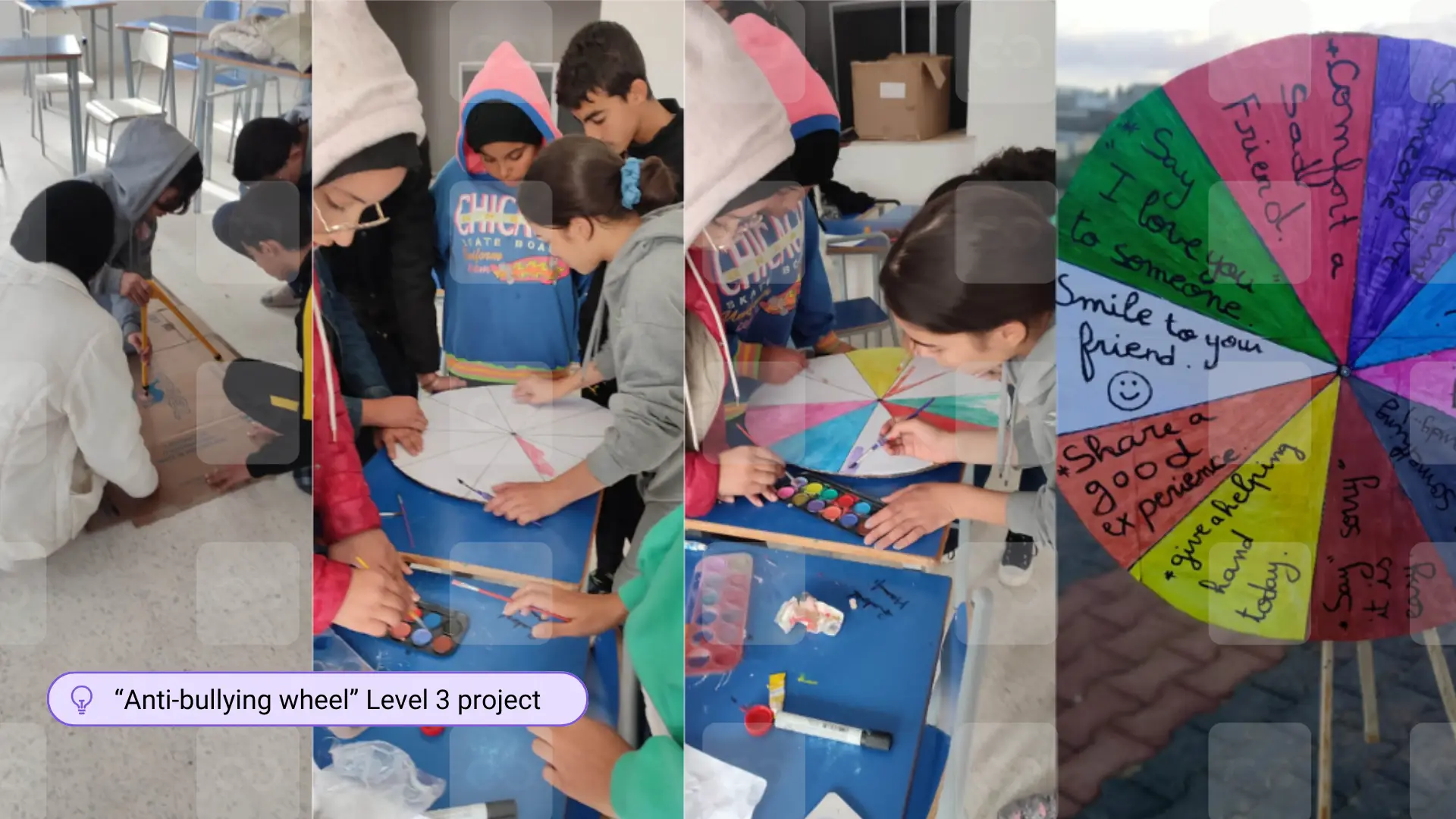
In Cut Bullying Out, students in Tunisia and India shared experiences through video calls and designed responses to bullying at their schools, such as a spinning-wheel game, bracelets and a complaint box.
On Class2Class, teachers find a partner class by subject, students' age, language and interests, and choose a ready-made project on themes such as water, friendship or a better world. Class2Class is free for teachers and students.
Global citizenship projects to run with a partner class
 Project ideaYouth-Led Solutions for a Better World
- Age groups
- 13–15, 16–18, 18+
- Duration
- 4 weeks
- Language
- English
 Project ideaWater Warriors: Global Solutions for Local Water Challenges
- Age groups
- 6–8, 9–12, 13–15
- Duration
- 4 weeks
- Language
- English
 Project ideaPortraits of Poverty: A Global Photo Essay Collaboration
- Age groups
- 13-15, 16-18, 18+
- Duration
- 4 weeks
- Language
- Agree with your partner
How to choose a program
- Start with your students: their age, language level and the issues they care about.
- Decide what you need first: your own training, lesson materials or a partner class.
- Check how much time it takes and whether it fits your term.
- Look for clear safety and privacy rules if students will communicate online.
- Start with one class and one topic, then share what worked with colleagues.
For strategies you can use in class straight away, see global citizenship education: 5 classroom strategies.
Frequently asked questions
What is a global citizenship program?
It is a planned set of learning that helps students understand global issues, respect other perspectives and act responsibly. For schools, it can be a course for teachers, classroom materials or a project with a class in another country.
Are there free global citizenship courses for teachers?
Yes. For example, GCED Online Campus by APCEIU offers free courses and materials for educators. Check the provider's page for the current list.
Is global citizenship a separate school subject?
Usually not. Many programs, such as Oxfam's guides, present it as a way of learning that fits into the subjects you already teach.
Is Class2Class free?
Yes. Class2Class is free for teachers and students.
Start with one class and one project
Pick one topic your students care about, use a guide or a course to plan it and invite a partner class to explore it with you.